
Ddizi: Turkish films and series, from The Postman, Köroğlu and Little Lady to Sultan Gelin, The Wren, Fork in the Road and Sisters-In-Law, and where to watch them
170 Turkish films and series, 1956 to 2025, chosen for the whole household.
 The Ottoman Republic2008
 My Brother2016
 The Postman1984
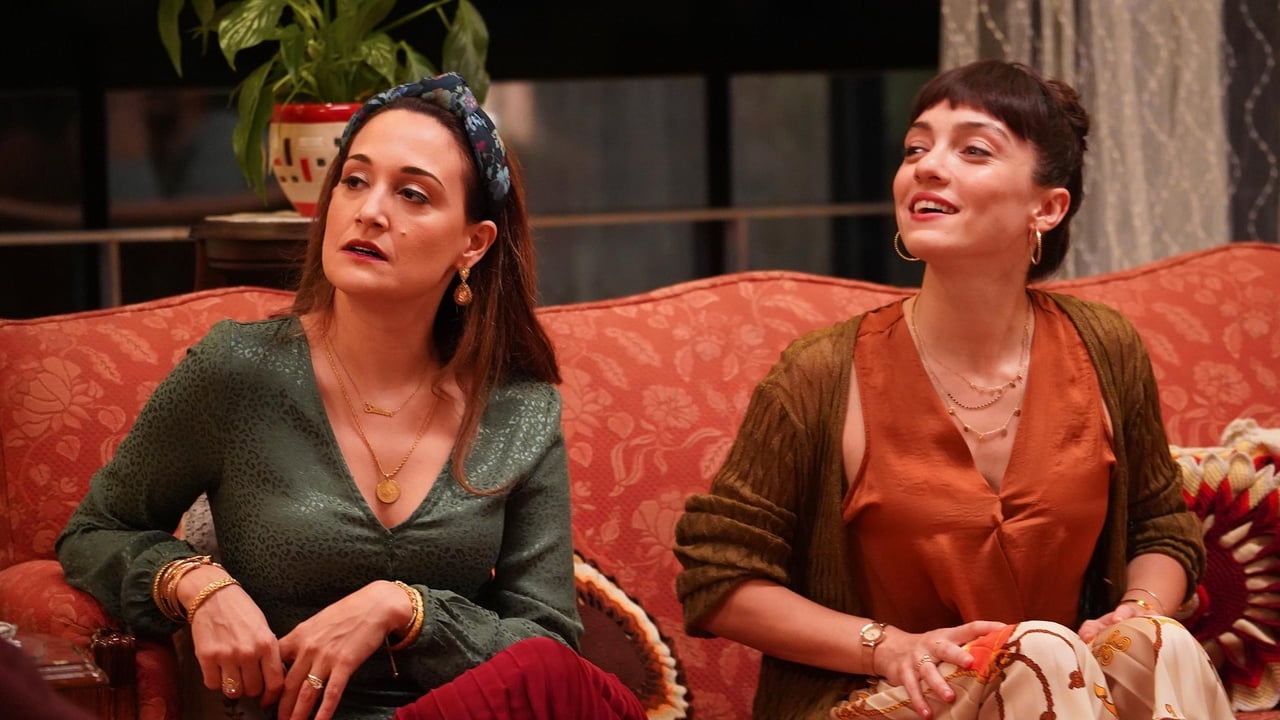 Sisters-In-Law2020
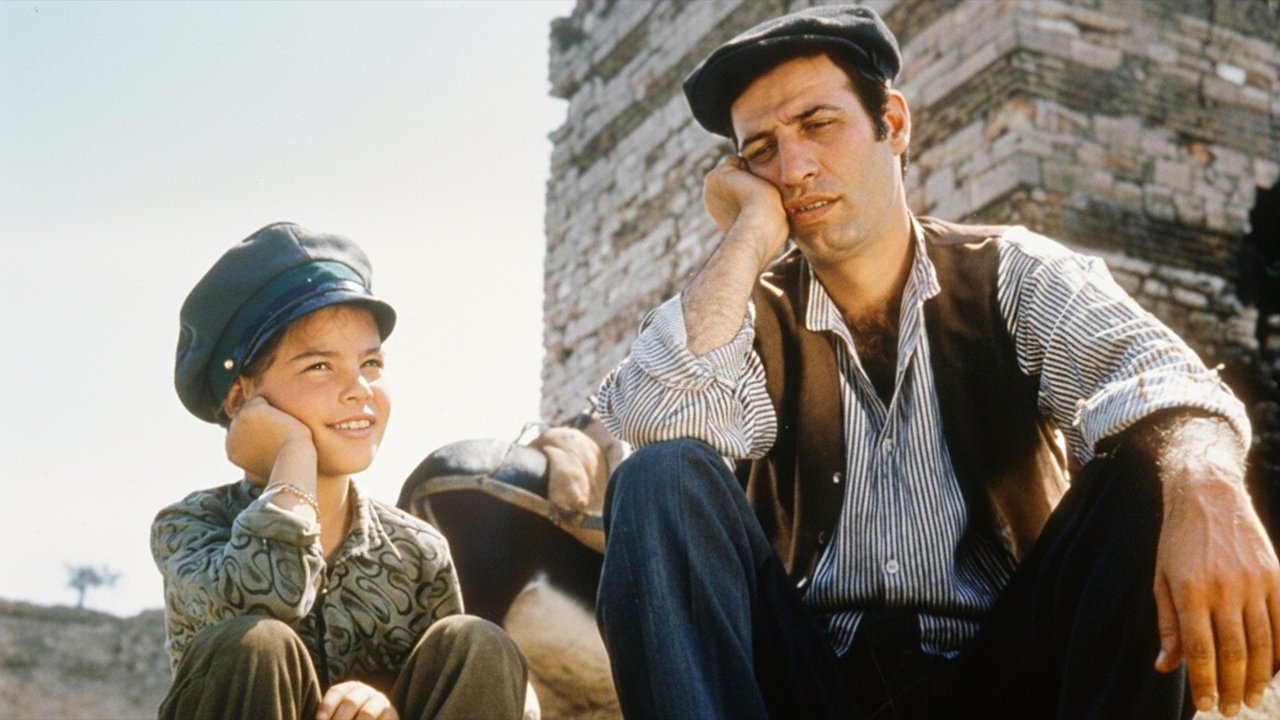 İbo and Güllüşah1977
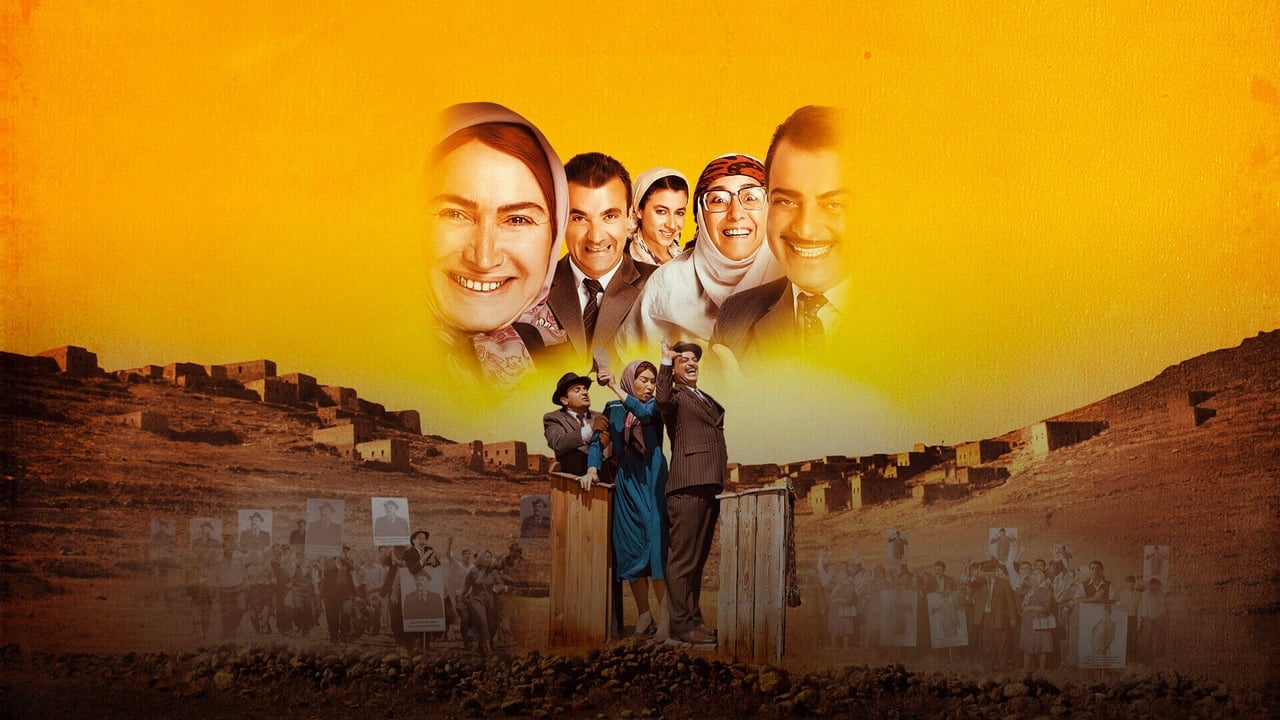 Government Woman 22013
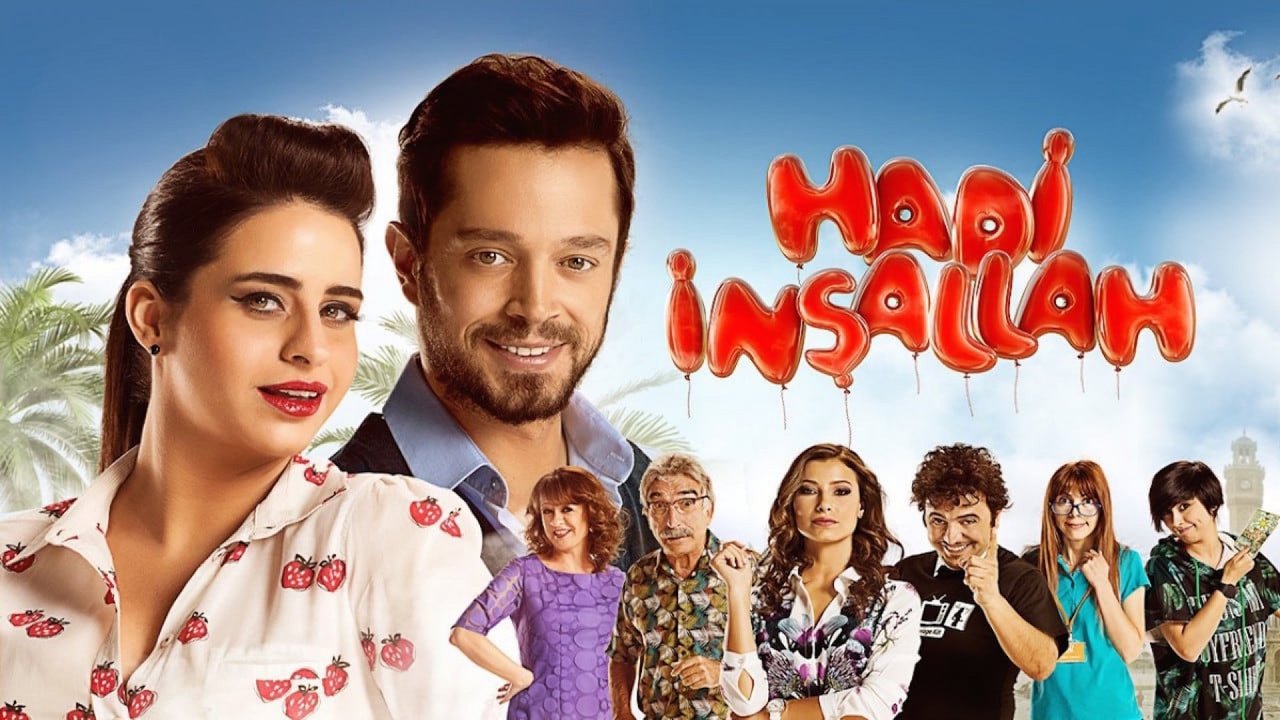 Hadi Insallah2014
 Fork in the Road2017
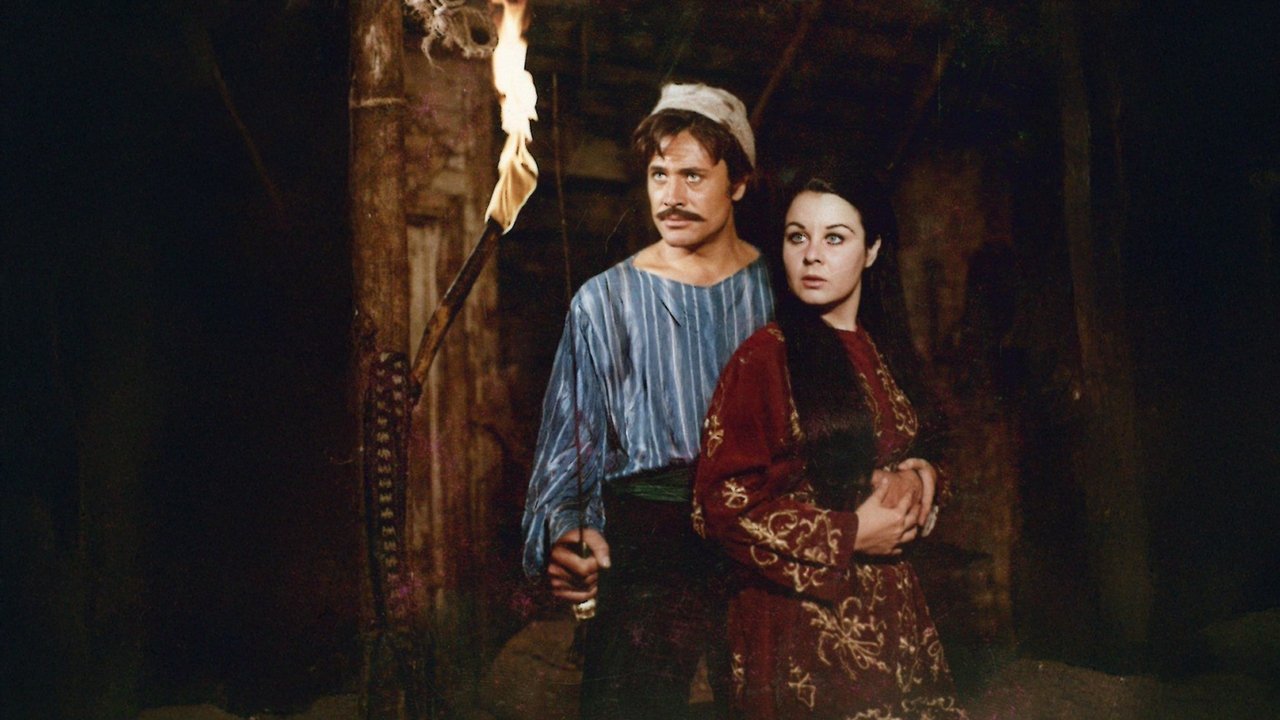 Köroğlu1968
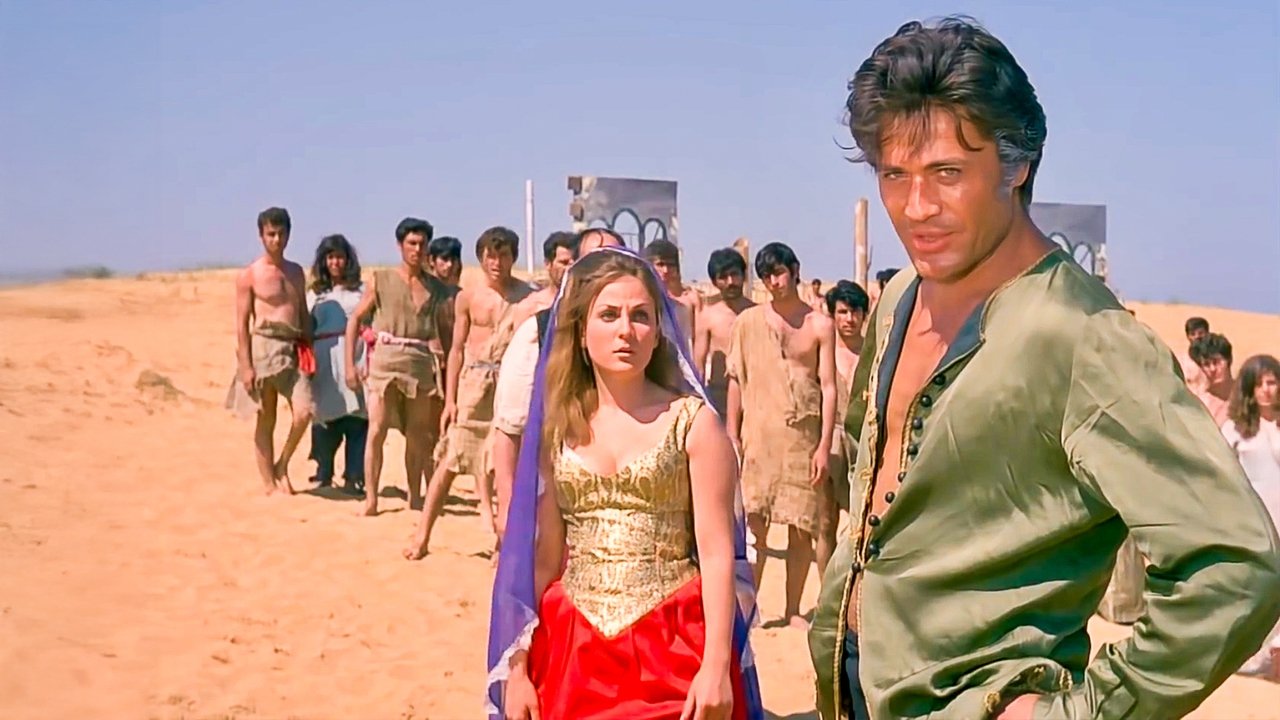 Malkoçoğlu: The Raiders Are Coming1969
 Acı Hayat1962
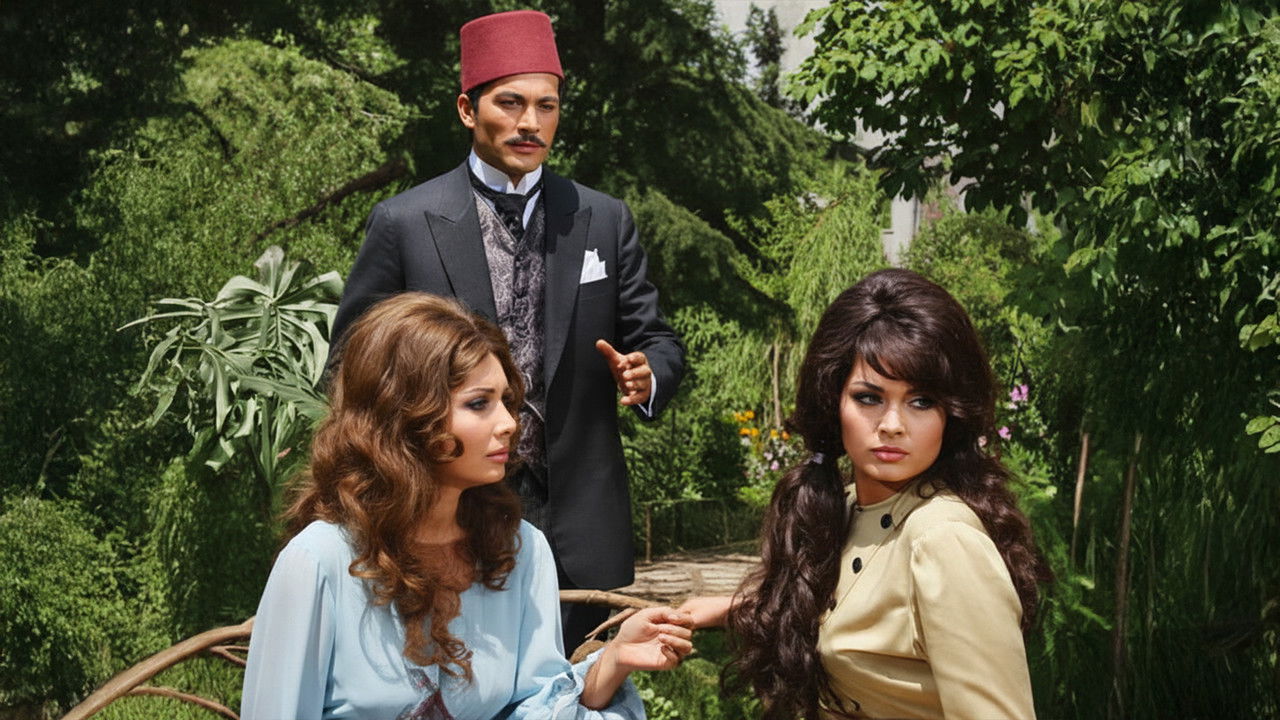 The Wren1966
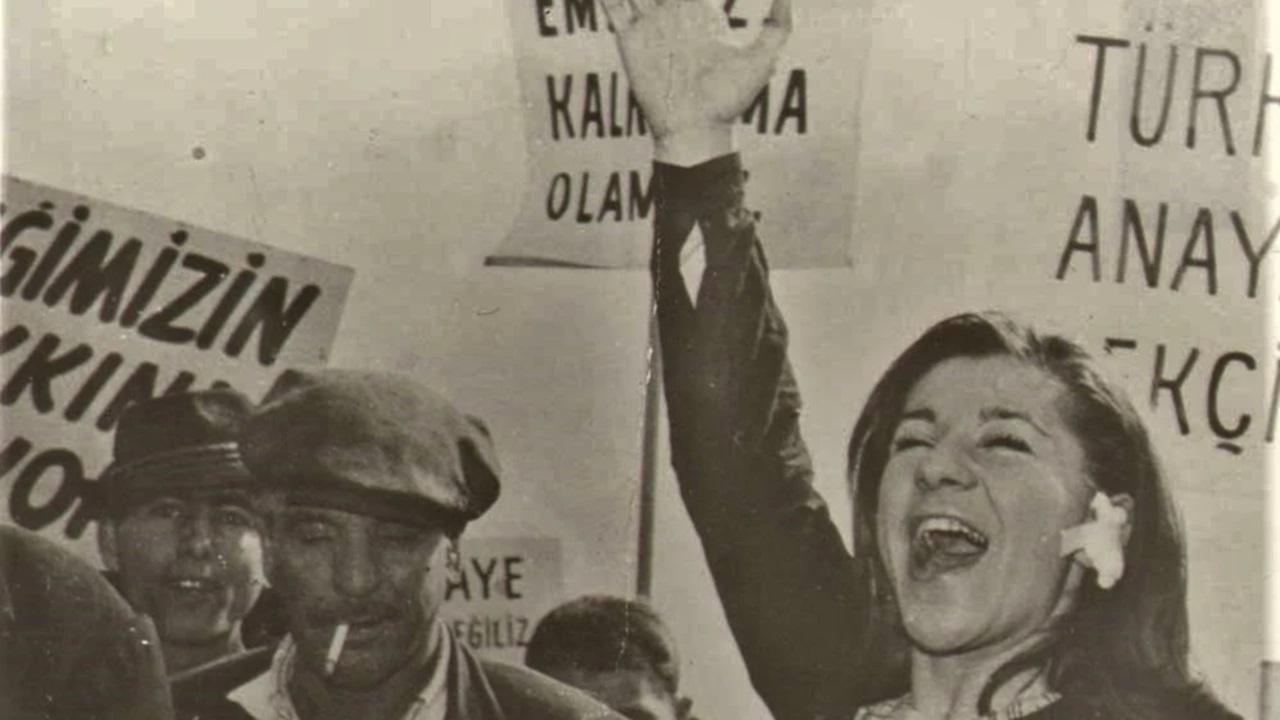 Karanlıkta Uyananlar1964
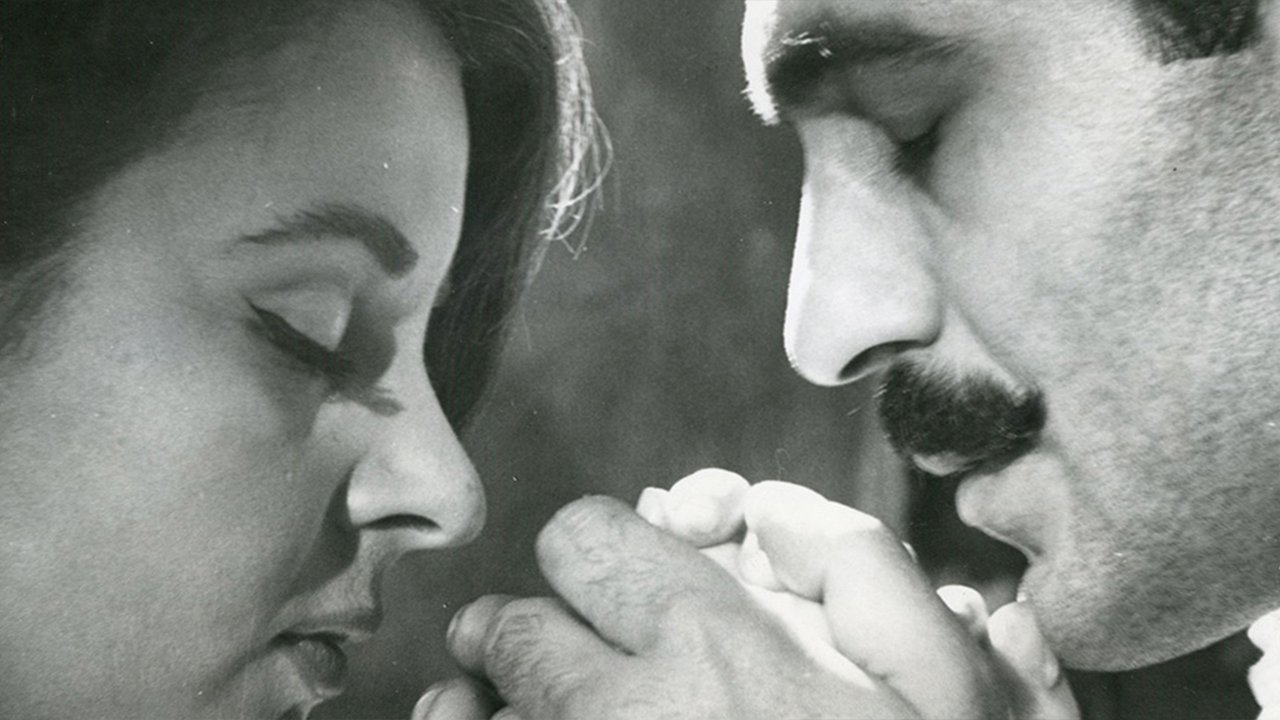 The Saga of Ali of Keshan1964
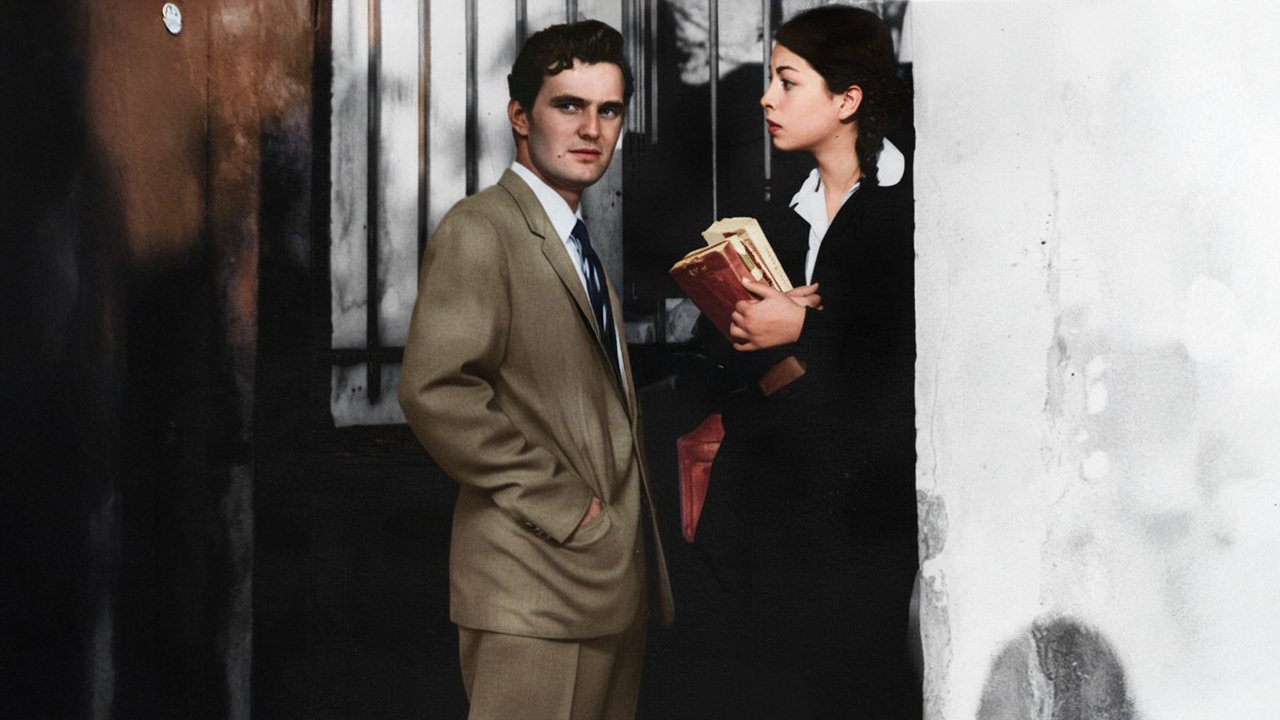 The Last Birds1965
 Ala Geyik1969
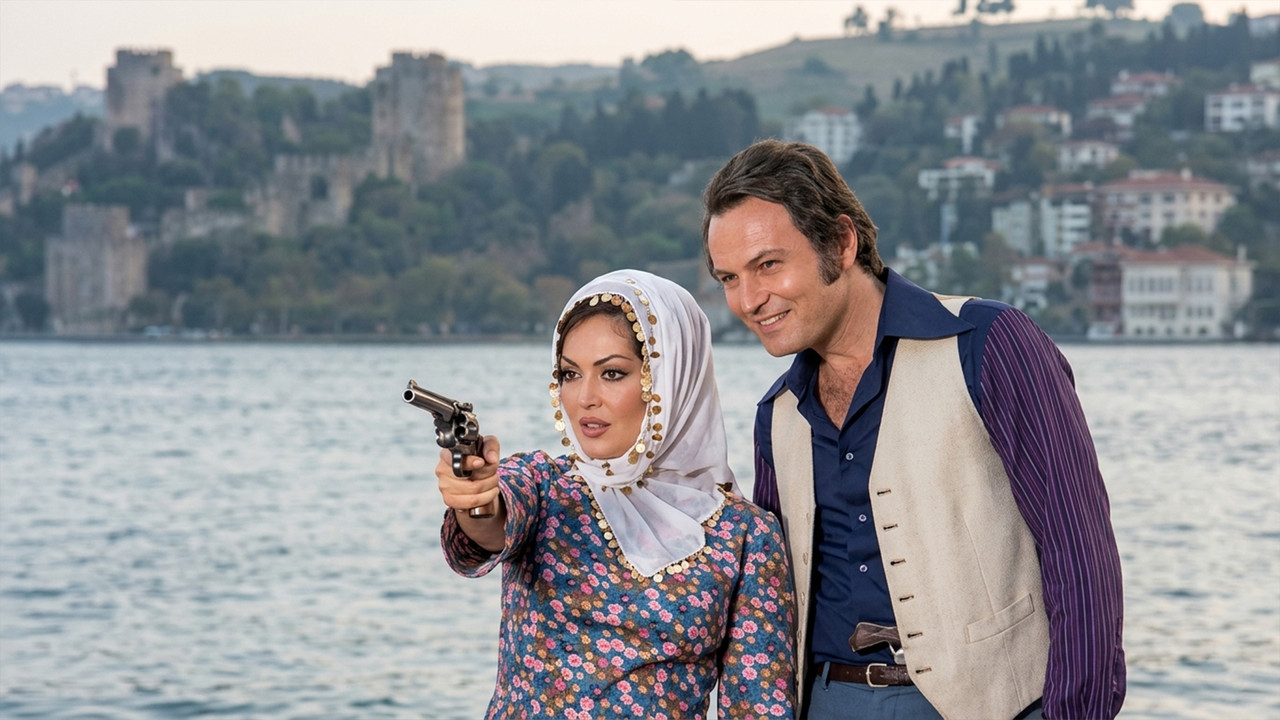 Güllü is Coming1973
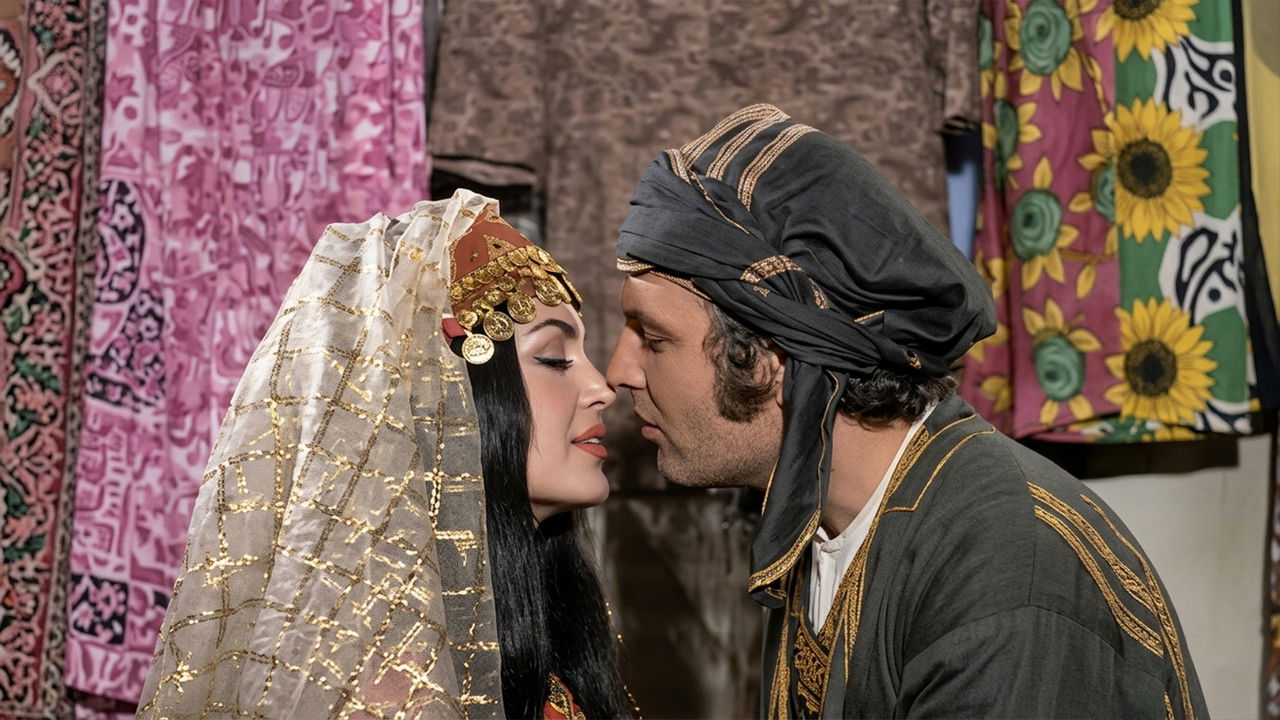 Güllü1971
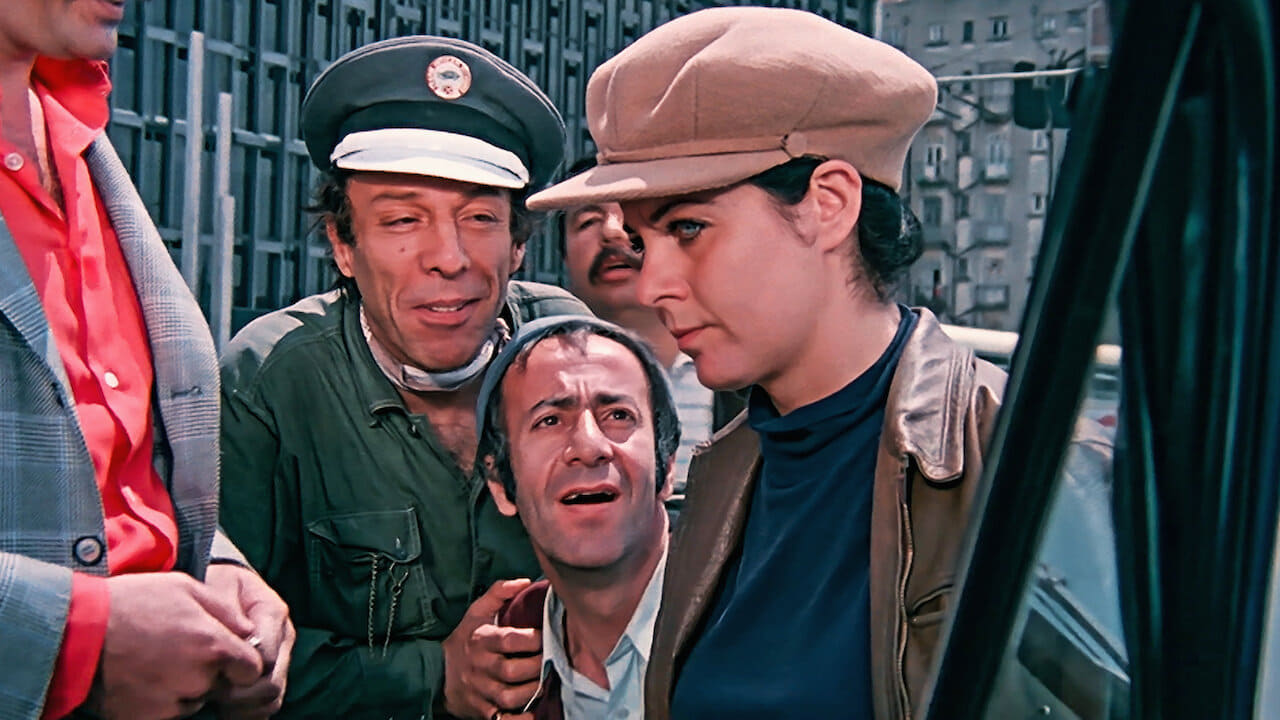 Nebahat The Driver1970
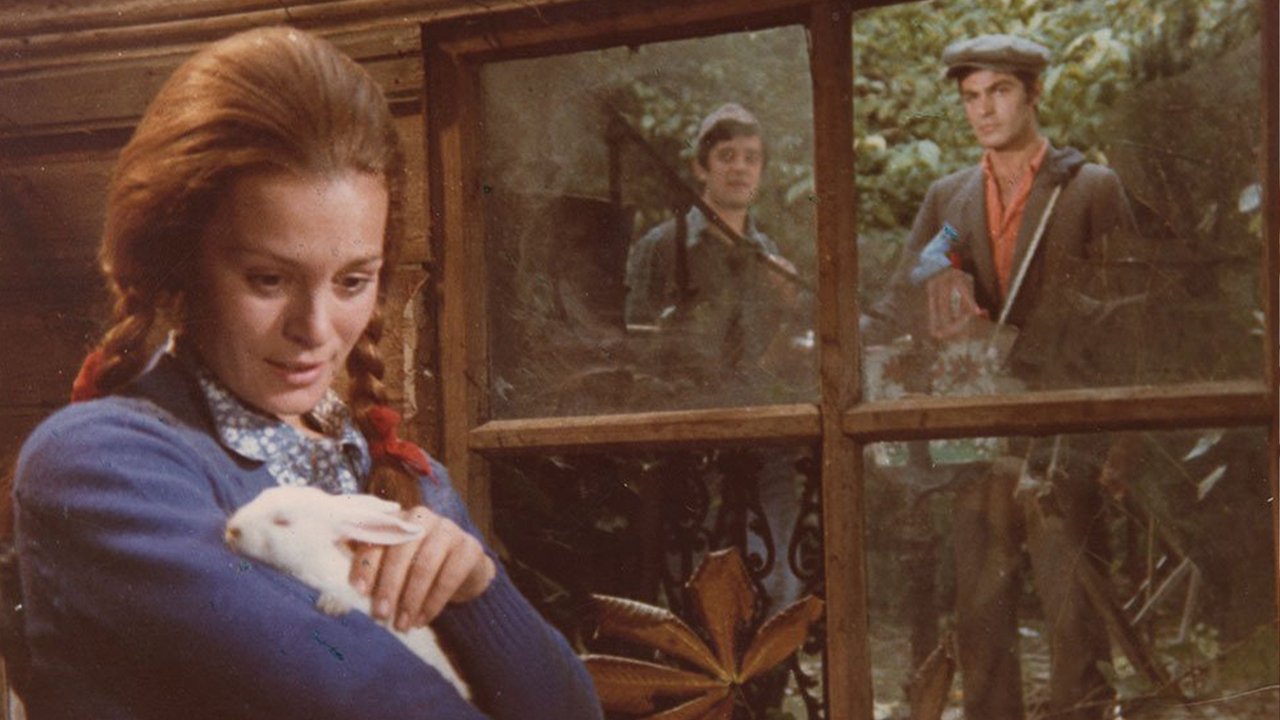 Three Friends1971
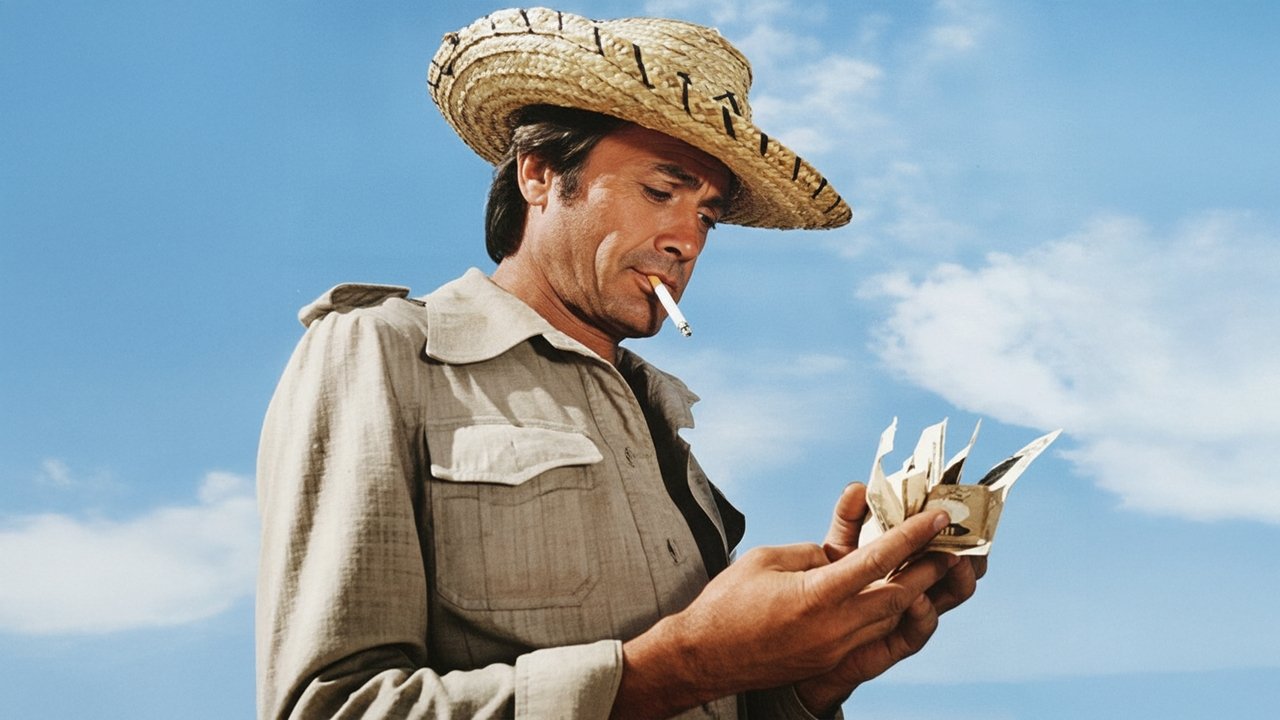 Deli Yusuf1975
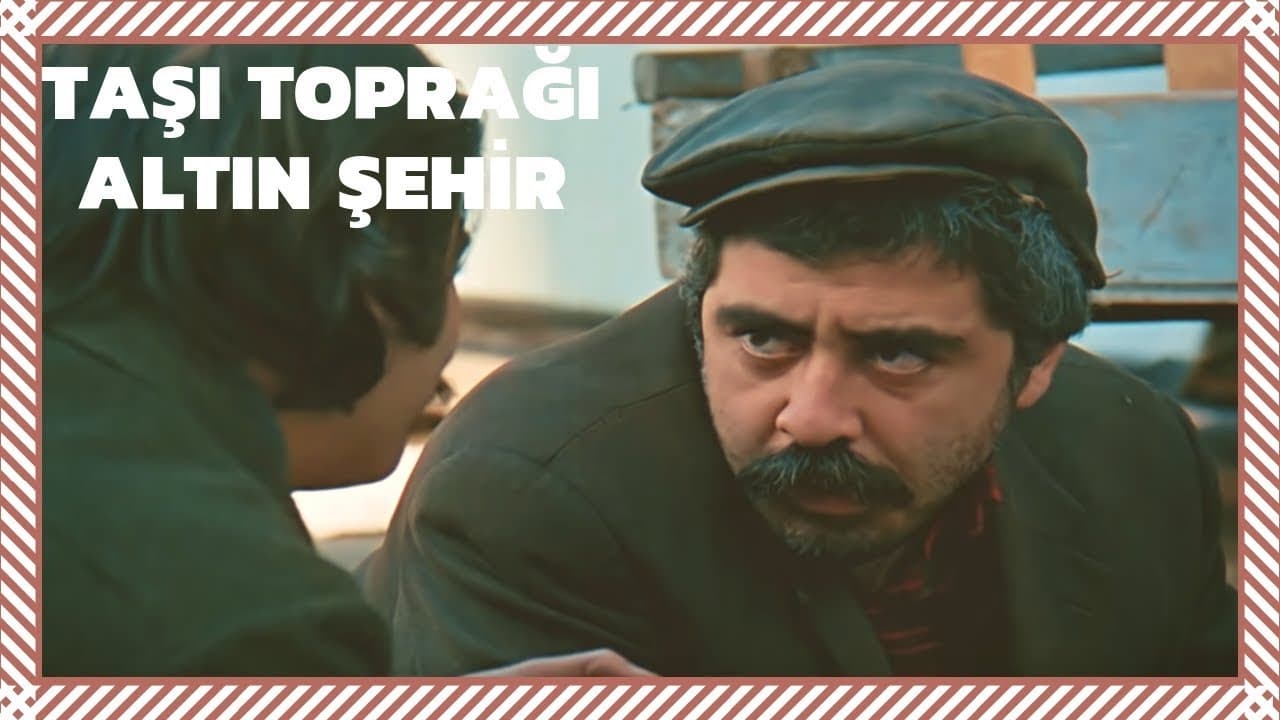 Taşı Toprağı Altın Şehir1978
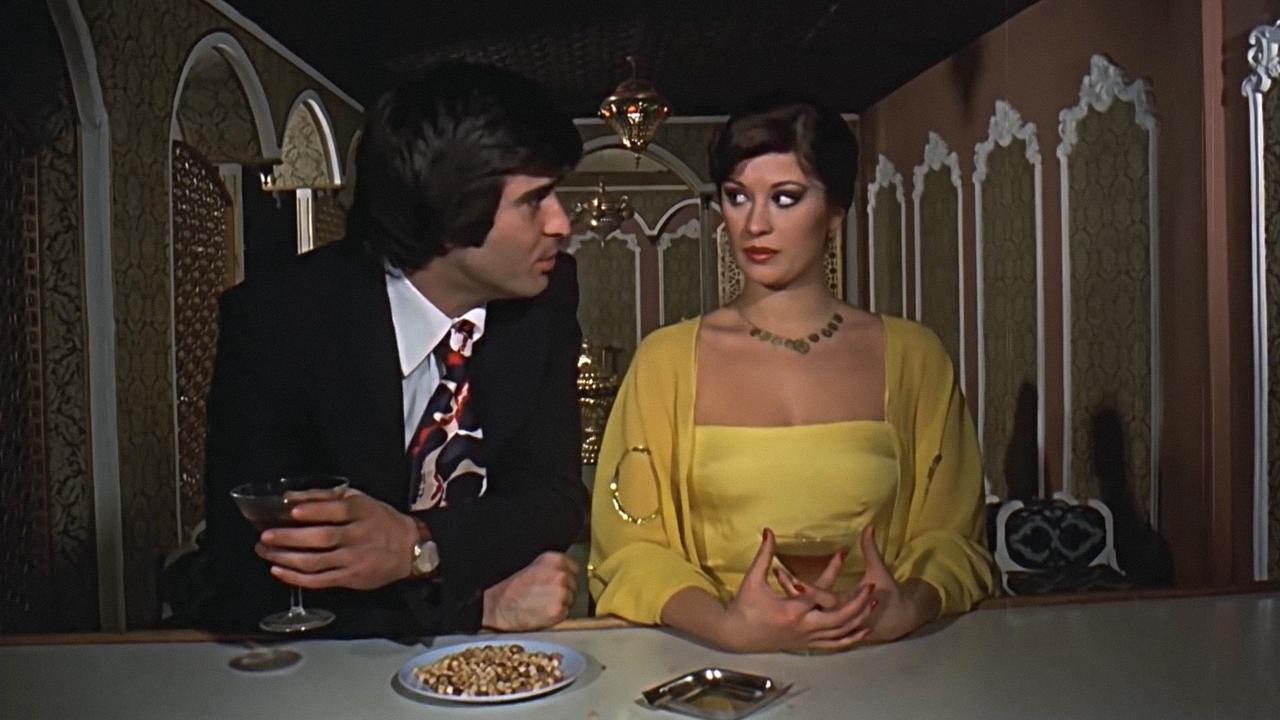 Our Girl1977
 Sultan Gelin1973
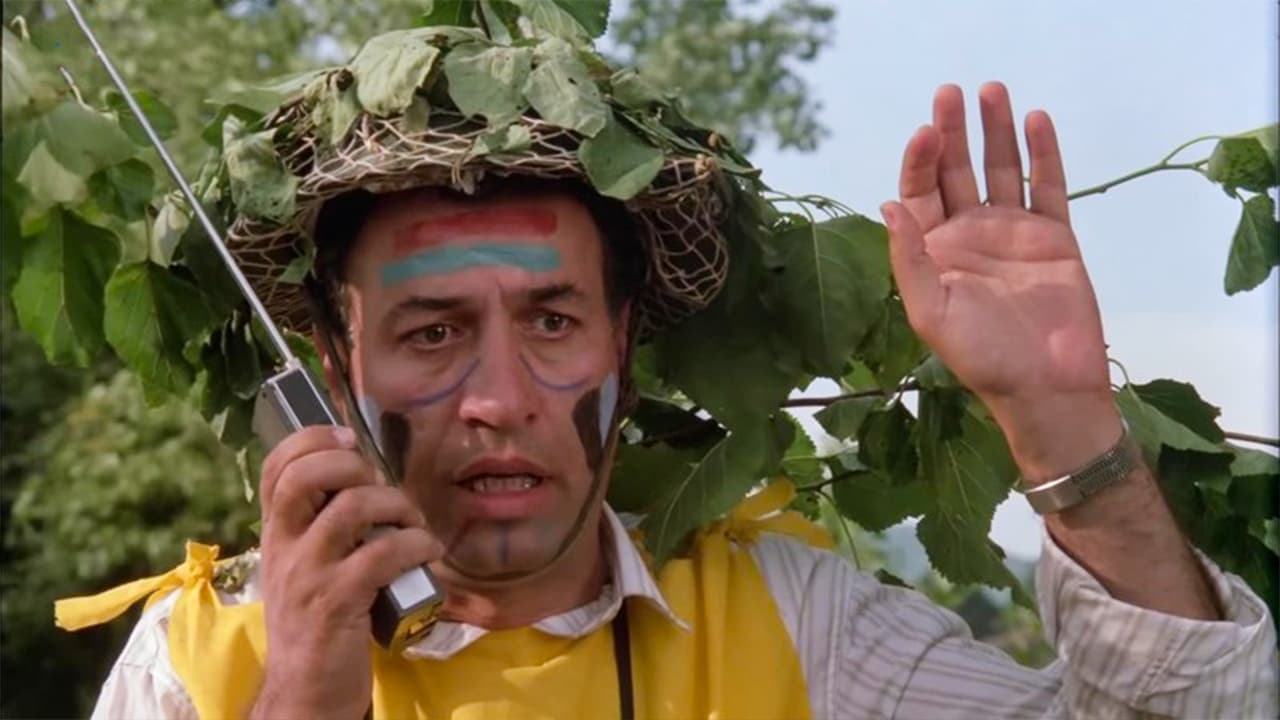 Uyanık Gazeteci1988
 Sevimli Hırsız1989
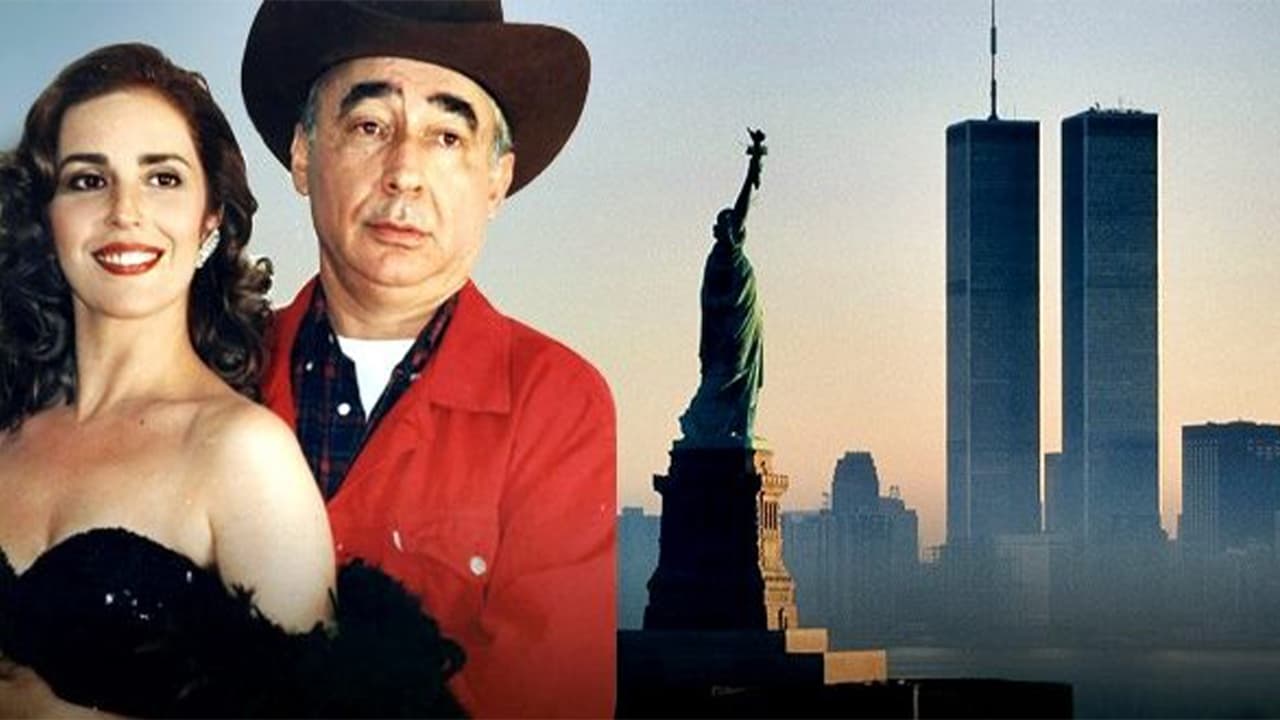 Amerikalı1993
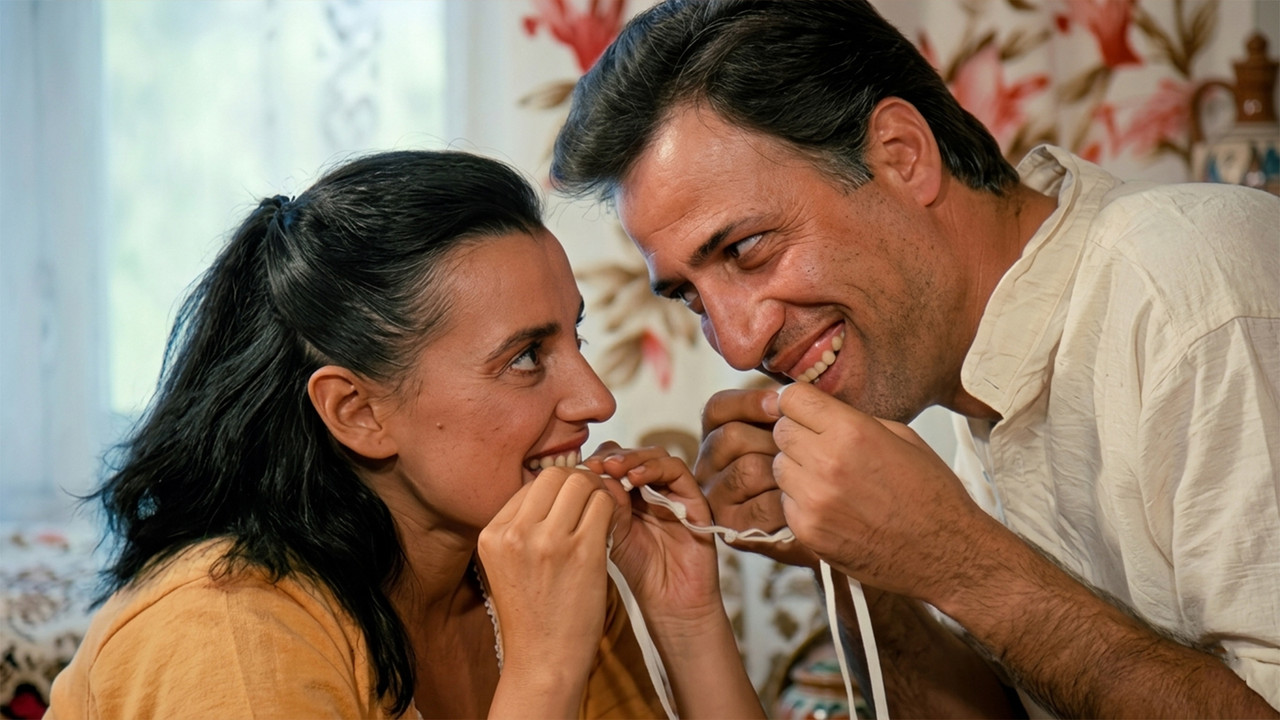 Keriz1985
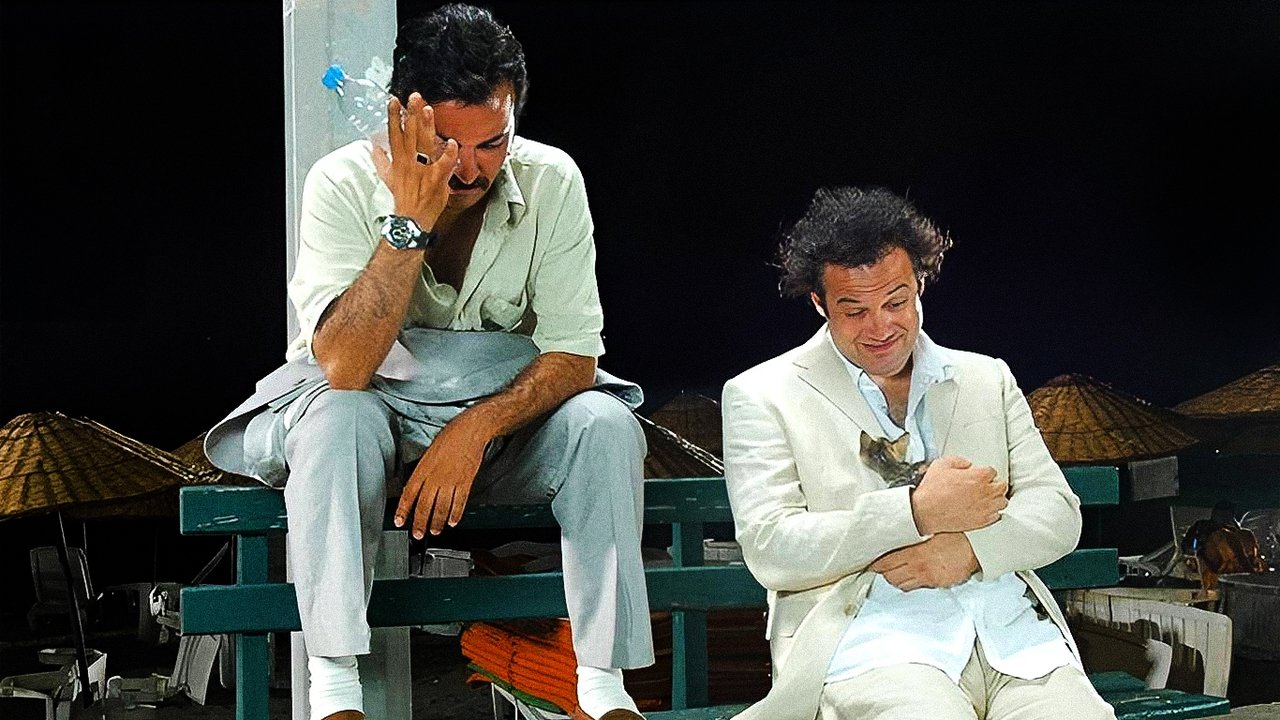 Abimm2009
 Love My Chance2017
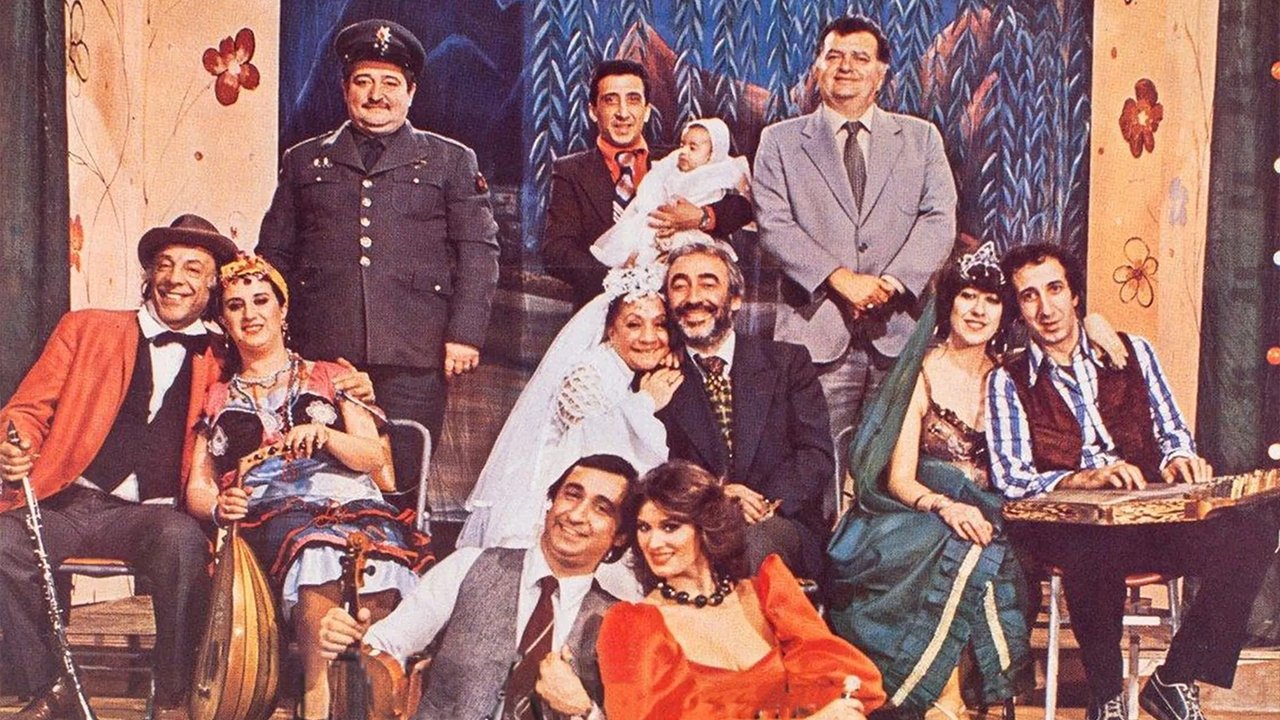 Festival in Gırgıriye1981
 Son of a Rich2024
 Kim Bu Aile?2022
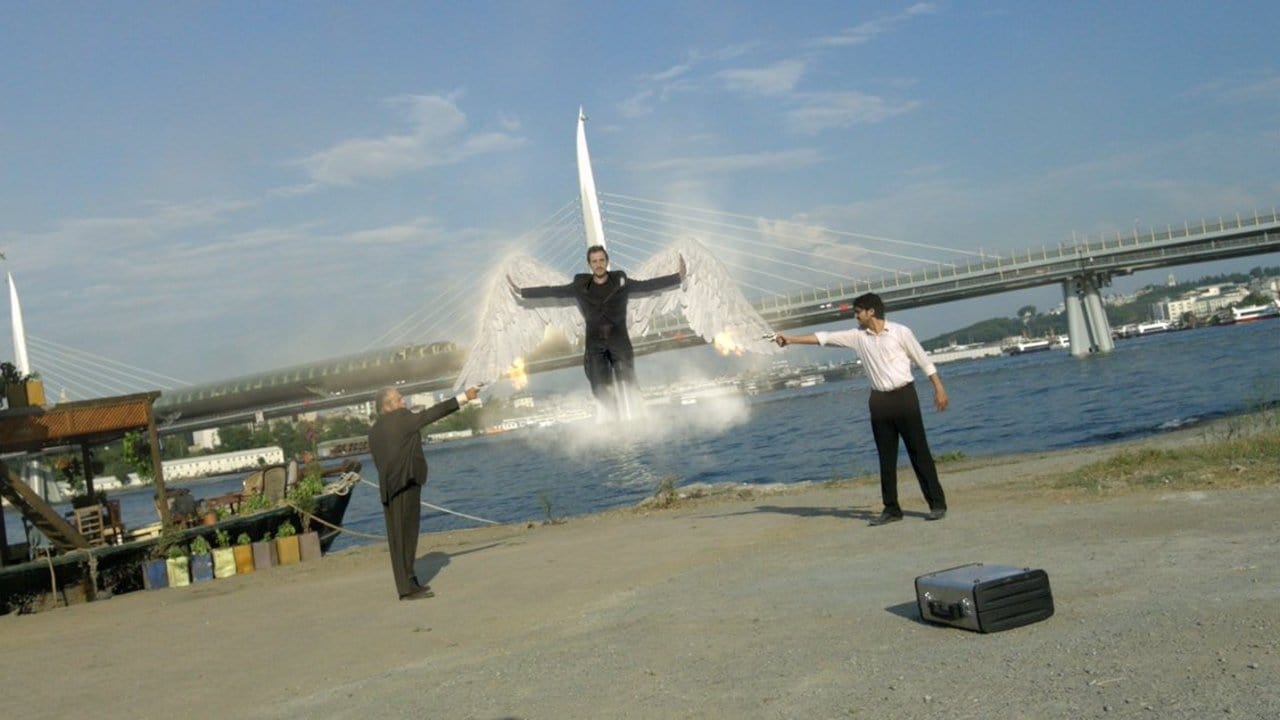 The Bank of Broken Hearts2017
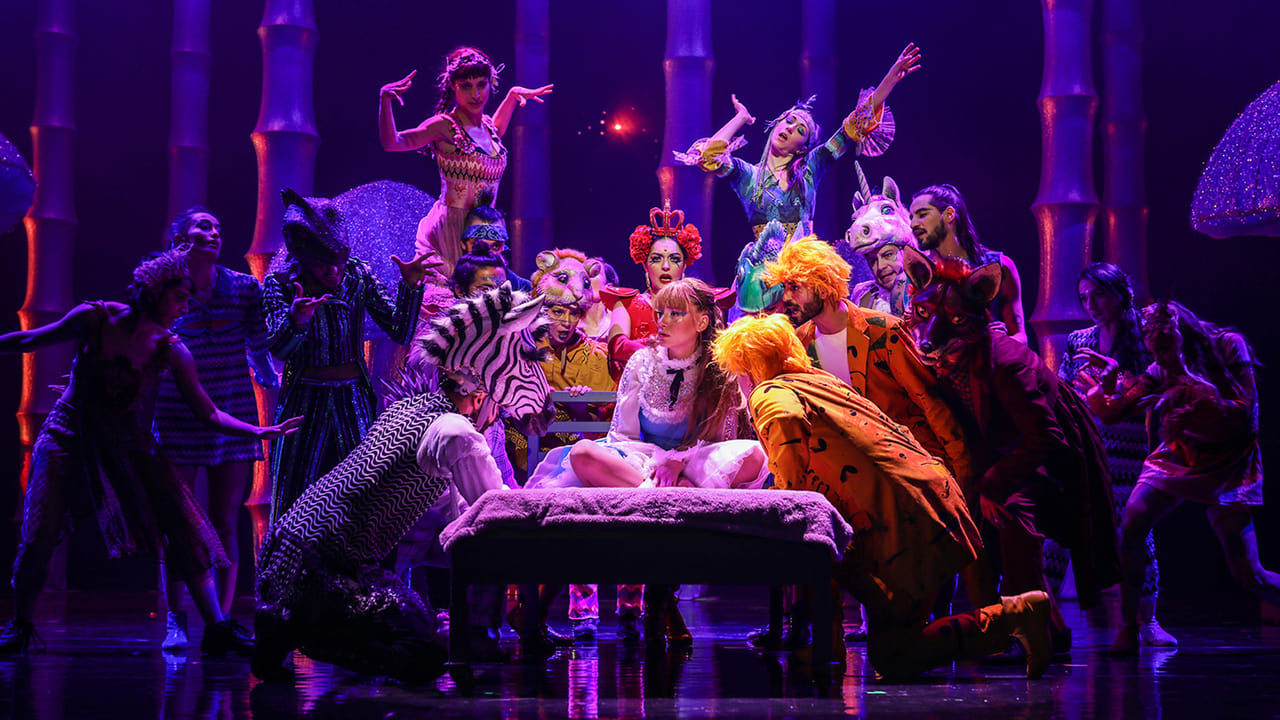 Alice The Musical2023
 The Three Superboys in the Snow1977
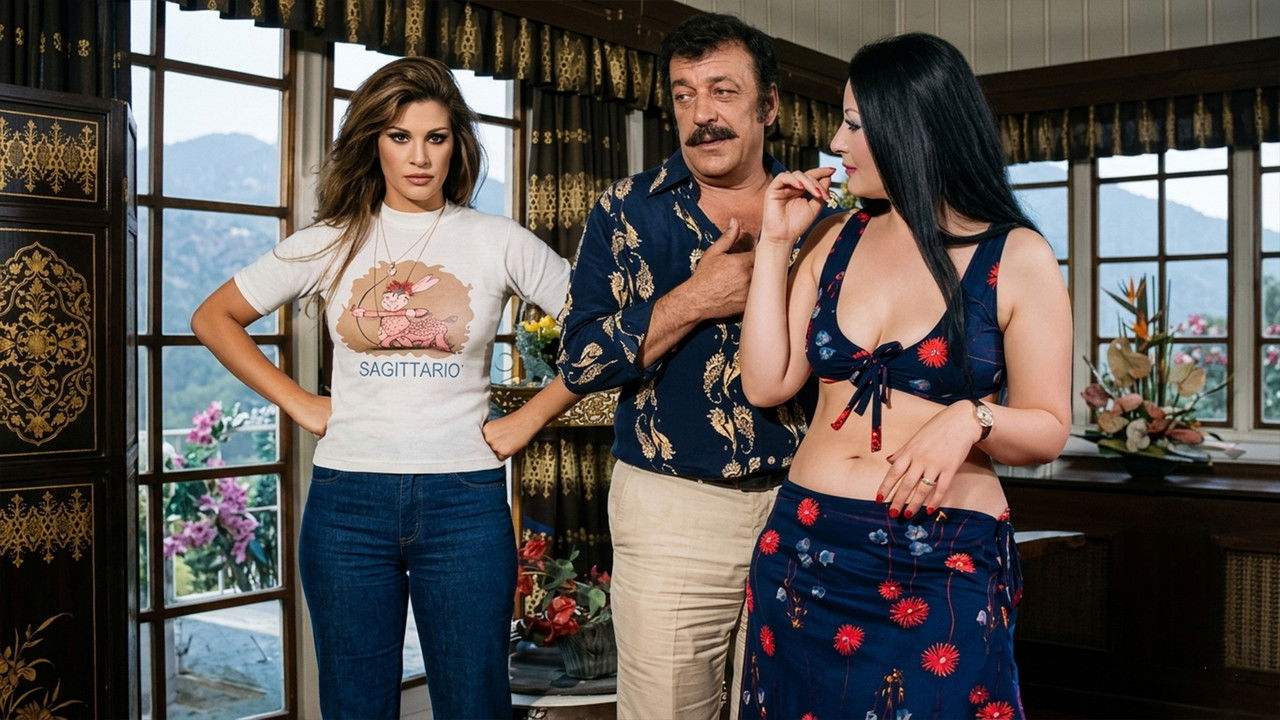 Baş Belası1976
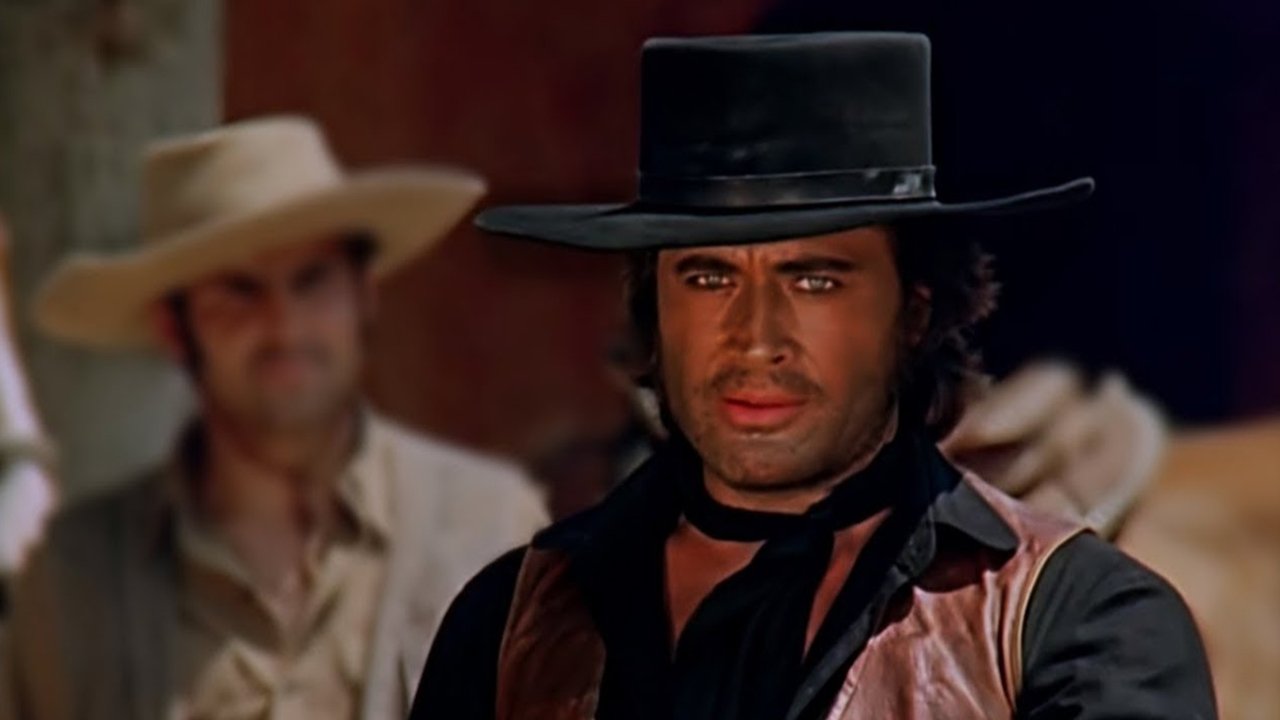 The Little Cowboy1973
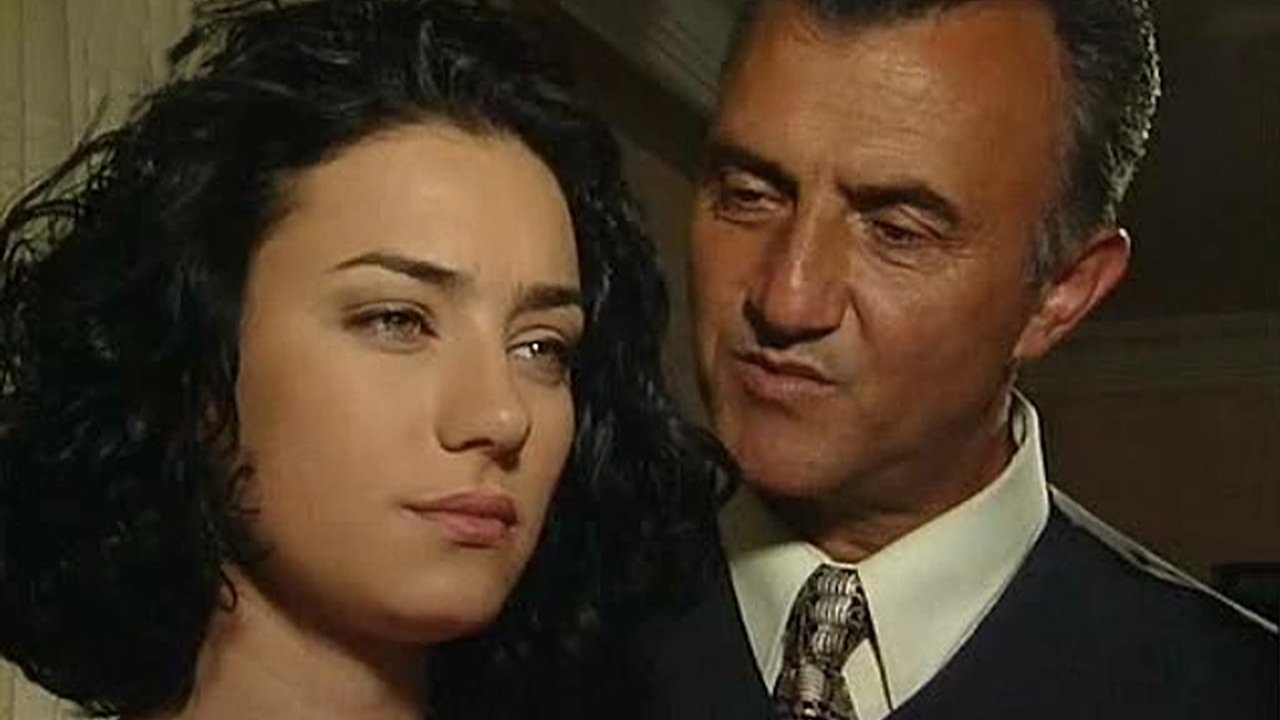 Kara Melek1997
 Cinderella1971
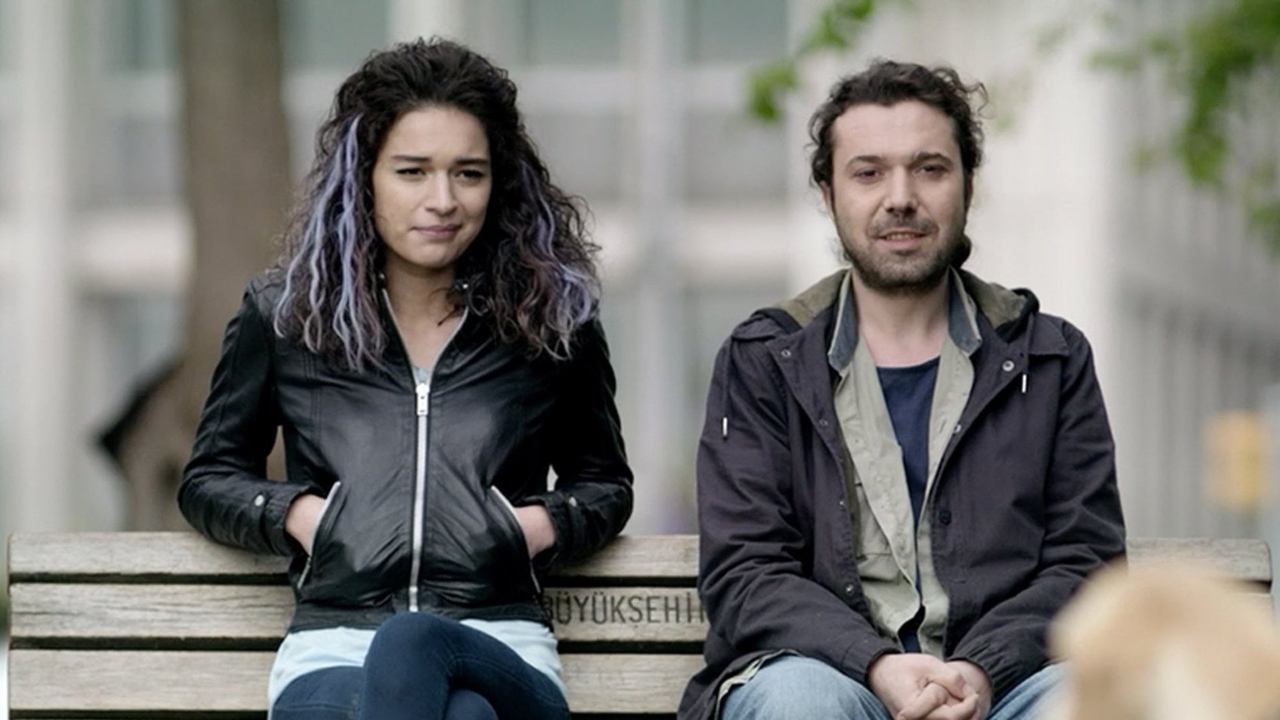 Fig Jam 22014
 Everything Is Love2016
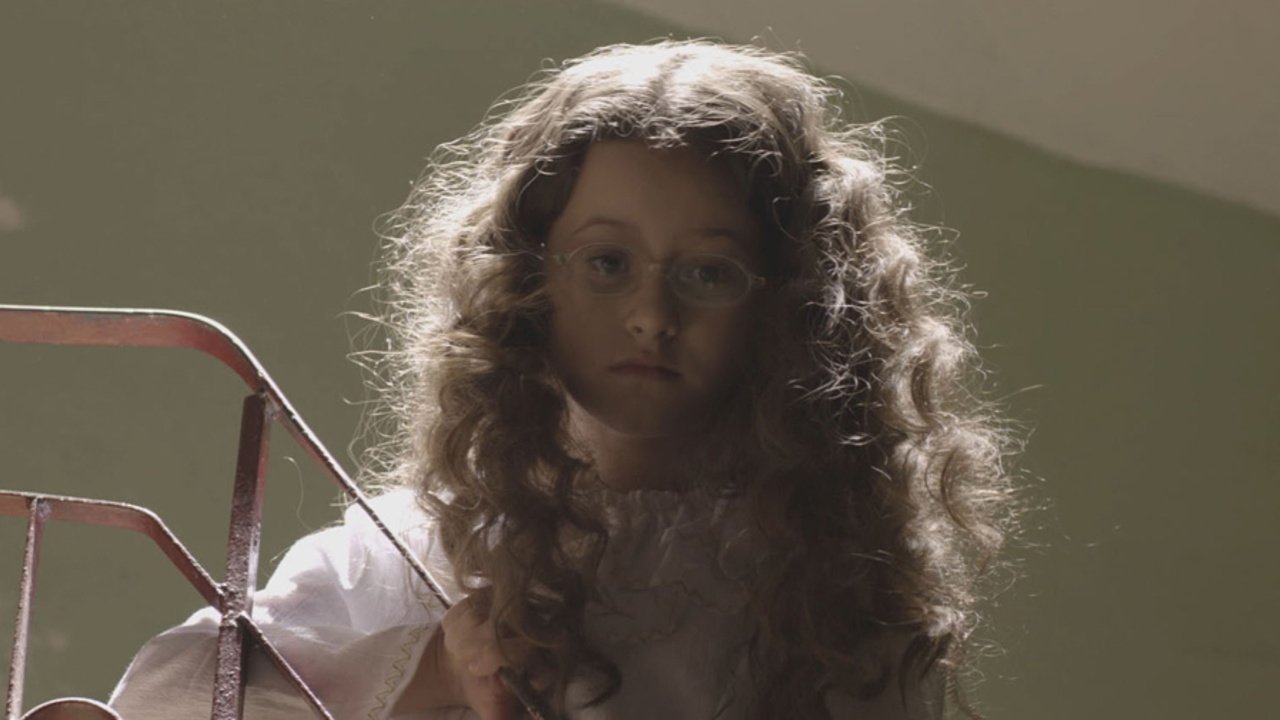 Sleeping Princess2010
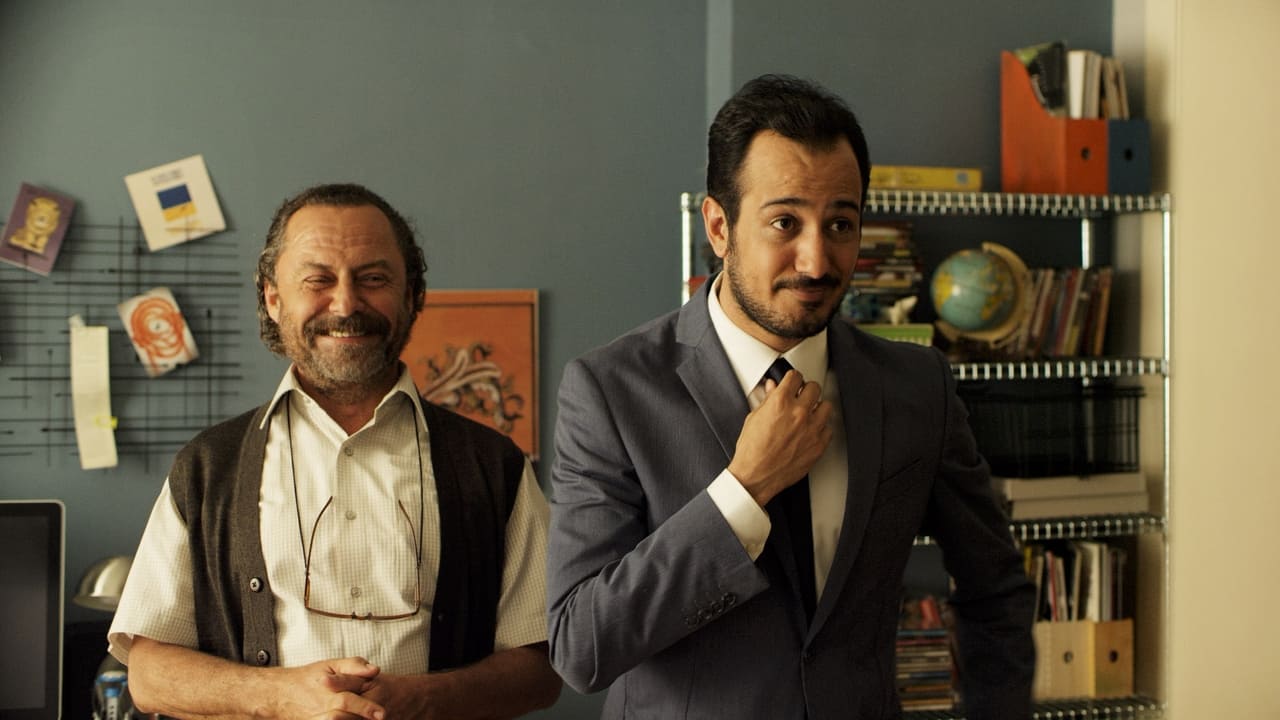 Mix Tape2014
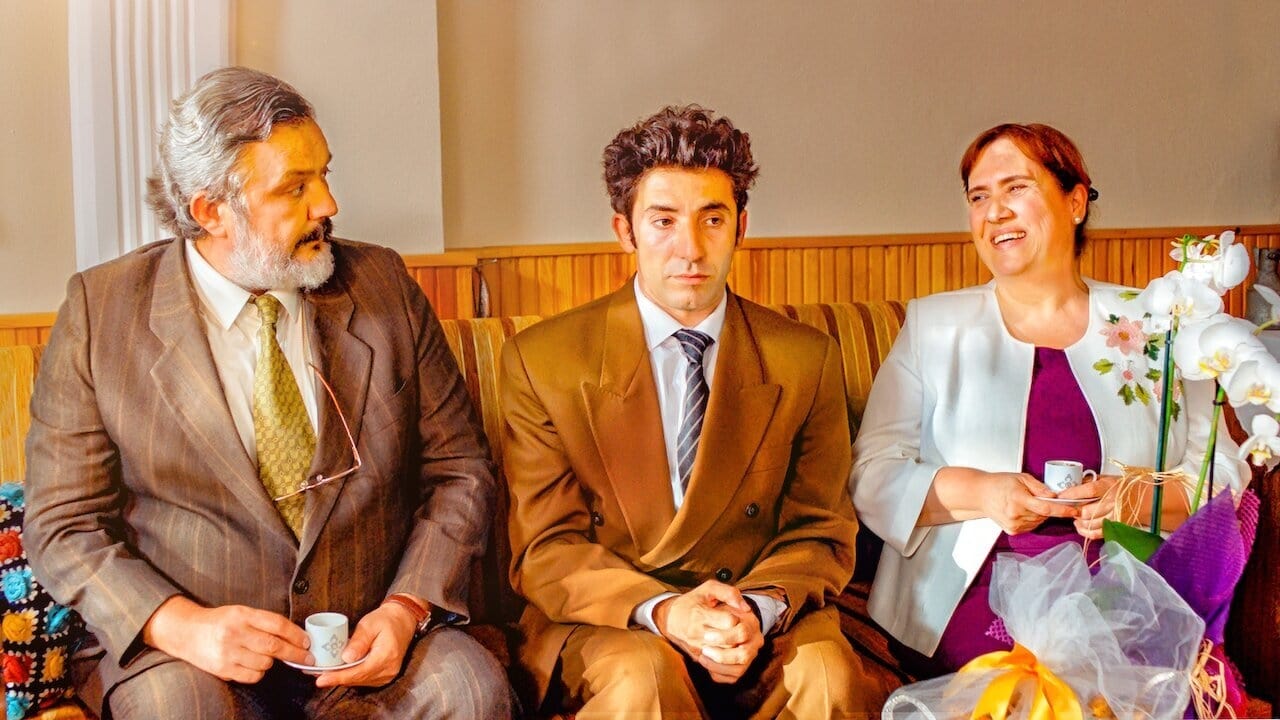 Babamın Ceketi2018
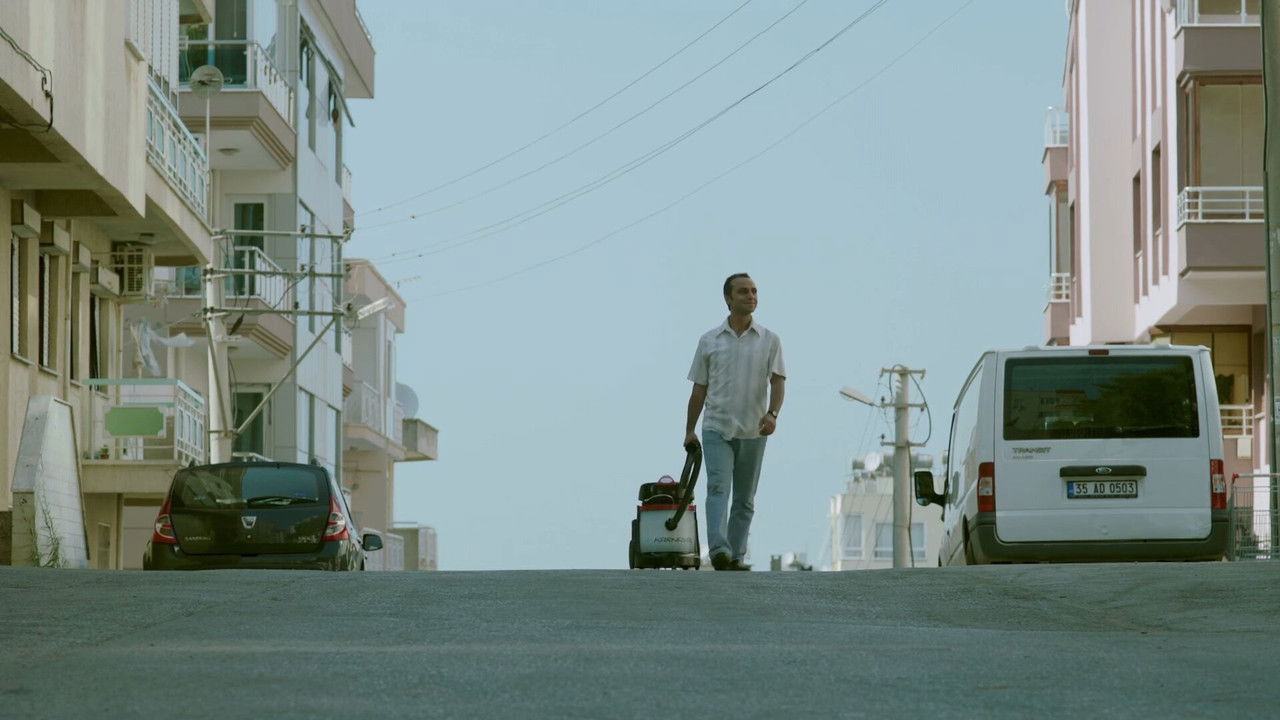 Karnaval2013
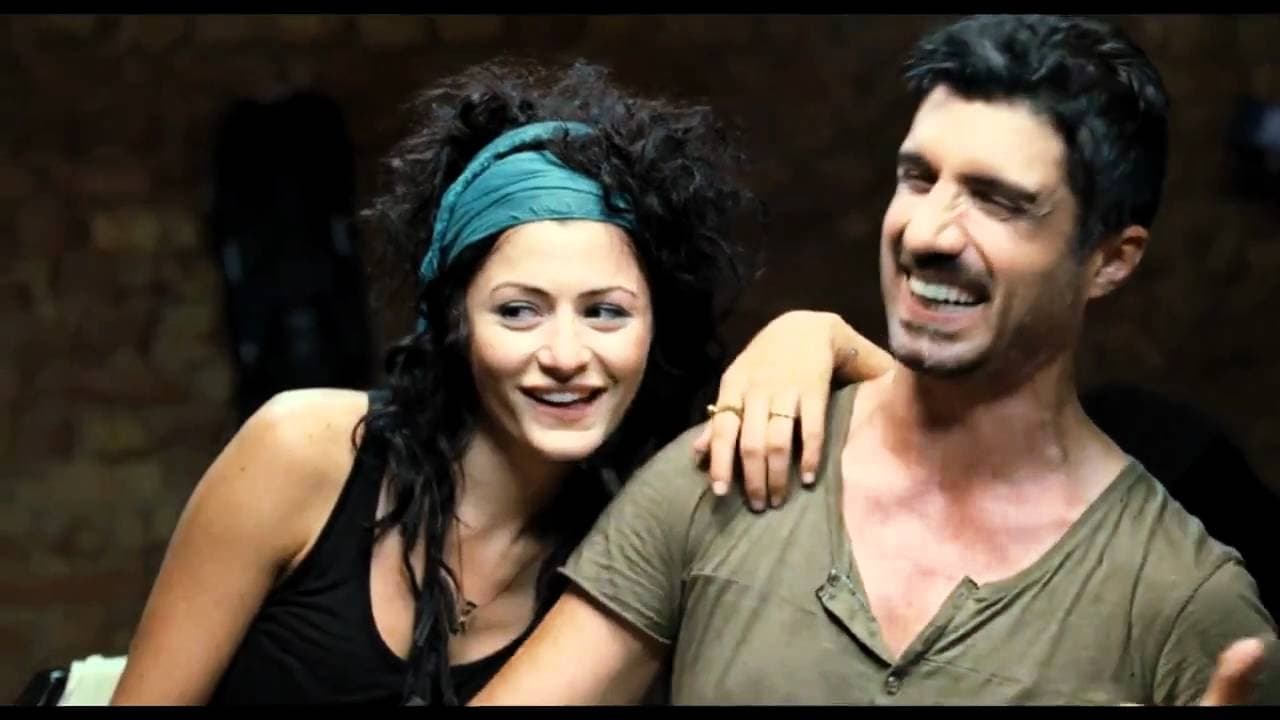 Ya Sonra?2011
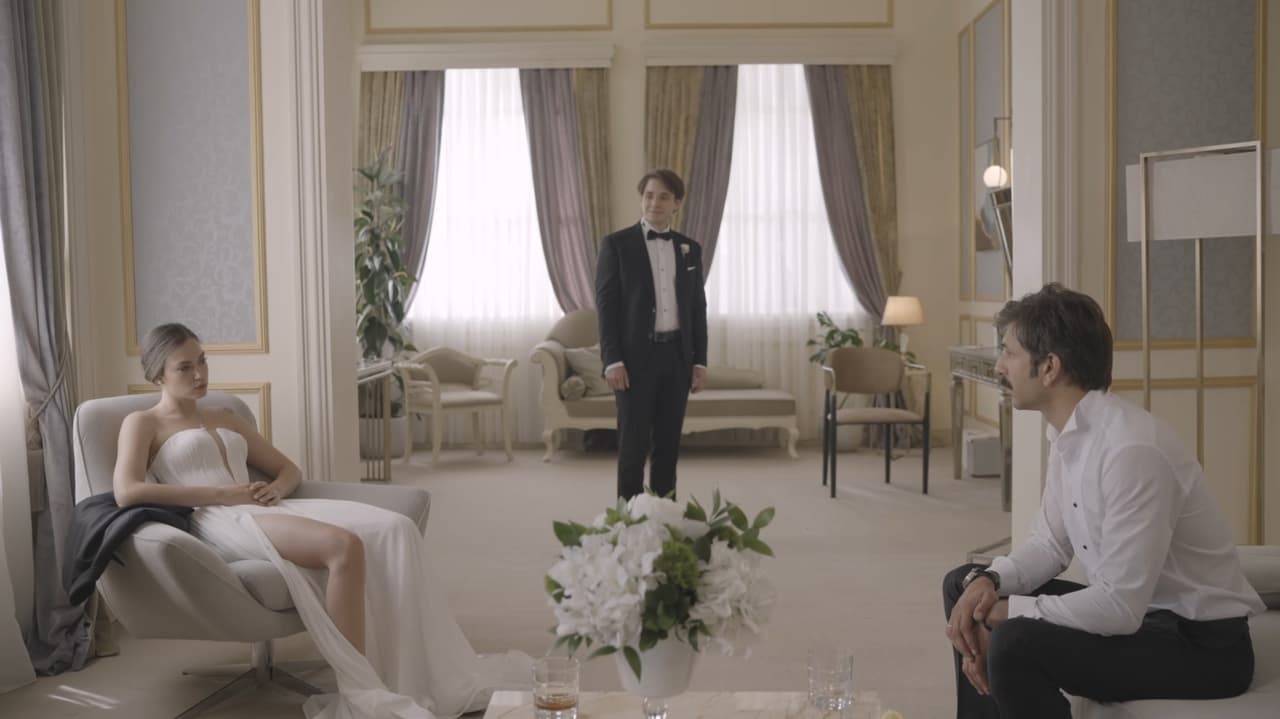 RSVP (Please Respond)2022
The Ddizi guide to Turkish films and series
Ddizi: Turkish films and series, with The Postman, Köroğlu, Little Lady, Sultan Gelin, The Wren, Fork in the Road and Sisters-In-Law
Between the late 1950s and the late 1970s the film companies of Istanbul, crowded into the offices of a single street called Yeşilçam, turned out two and even three hundred films a year. For a time Turkey was among the most productive film countries in the world, and its cinema, made quickly and cheaply for an audience that went to the pictures several times a week, created stars, songs and catchphrases that every Turkish family still knows. Ddizi is a guide to that cinema and to what has followed it: 170 Turkish films and series made between 1956 and 2025, chosen so that the whole household can watch together. Each has a page with its story, cast and original title, and a Watch now button that leads to the official services carrying it.
The catalogue holds 161 films and 9 series. Eighty-three titles are comedies, fifty-three are romances, twenty-six are adventures and histories, and ninety-seven of the films date from the golden age, before 1980. This guide begins with a few sure first choices. It then takes the stars, the comedians, the romances, the adventures, the music films, the dramas and the films for children, moves on to the cinema of recent years and the series, and closes with a note for parents, an account of the search and My List, and a plan for a first fortnight.
What Ddizi is
Ddizi is a viewing guide, and its pages hold descriptions in place of video. For each title it gives a summary in English, the year, the running time, the director, the leading cast and the Turkish title, which matters, because few of the older films were ever given an official English name. The Watch now button opens JustWatch, an independent directory of official services, for the country you choose. JustWatch shows which subscriptions include the title and where it can be rented or bought, and each service lists the subtitles it offers. A good many Yeşilçam films have been restored in recent years and placed on the official channels of their rights holders. The how to watch page explains the steps.
The selection was made by hand from about 720 candidates. Every summary was read. Turkish popular cinema has a strong tradition of stories about blood feud and revenge, and those were set aside, together with crime films, films of the battlefield, horror, and dramas and comedies made for adults. Daily television serials were left out as well. Many of the older films have only a handful of votes on the public database, which reflects how seldom they have been seen abroad.
Where to begin
Begin with The Postman. Kemal Sunal was the best-loved comic actor Turkey has produced, a tall, loose-limbed man with an enormous grin who played the innocent at large in some eighty films, and this one, from 1984, shows him at his gentlest. He is Adem, the postman of an Istanbul neighbourhood, in love with Sevtap, who is thirty and tired of waiting. Her brother Latif, back from years in Germany and very proud of his foreign ways, stands between them. The film is a portrait of a street where everybody knows everybody, and Fatma Girik, one of the great ladies of the screen, plays Sevtap with real warmth.
For romance in the classic manner, choose Little Lady. Made in 1961, it paired Ayhan Işık, the first great leading man of Turkish film, with Belgin Doruk, and the public liked them so much that the title became her nickname for life. He is a taxi driver; she is an orphan who grows up to inherit a mansion; a marriage arranged on paper becomes a real one by slow and comic degrees. The film was such a success that the same team made Chauffeur of the Little Lady and Little Lady in Europe within a year, and all three are here.
For adventure, there is Köroğlu. The story is one of the oldest in the Turkish-speaking world: when the lord of Bolu blinds an honest horse master, the man's son takes to the mountains with a marvellous grey horse and becomes the champion of the poor, a poet as well as a fighter. Atıf Yılmaz directed the film in 1968 with Cüneyt Arkın, a qualified doctor who became the country's leading action star and did his own riding and leaping, and Fatma Girik as the lord's daughter. It was filmed among the pine forests where the legend is set.
And for a recent film, try Fork in the Road. Şener Şen, the grand old man of Turkish acting, plays a hard-driving textile magnate who survives a road accident and decides, to the alarm of his family and his board, to live differently. It was written and directed in 2017 by Yavuz Turgul, his partner in a string of the most admired Turkish films of the past forty years, and it is a thoughtful, well-made drama about what a life is for.
The stars of the golden age
Yeşilçam ran on its stars, and the stars guide lists their films in the catalogue. Four actresses ruled the screen, and audiences took sides among them as others do among football clubs. Türkan Şoray, known simply as the Sultan, made more than two hundred films, and seventeen are here. In Acı Hayat, directed by Metin Erksan in 1962, she is a manicurist in love with a welder, and the film, one of the first Turkish pictures to look hard at the gap between rich and poor in the growing city, made her a star at seventeen. In The Wren she is Feride, the heroine of the most popular Turkish novel of the century, a high-spirited orphan educated by French nuns who runs from a broken engagement to teach in the villages of Anatolia. A Mountain Tale sends her to a remote school as well, and Sultan Gelin, directed by Halit Refiğ, is a sober and moving drama of village custom that many consider her finest work. In 1976 she directed herself in The Judge of Bodrum, as a young magistrate posted to a small harbour town.
Hülya Koçyiğit, the second of the four, is best remembered as Kezban, the village girl brought to a grand house in the city who is mocked for her manners, learns fast and turns the tables. The film of 1968 was followed by Kezban in Rome and Kezban in Paris, which take the heroine abroad with the same mixture of romance and comedy. She appears too in Three Friends, the story of three cheerful vagabonds and a blind flower seller whom they decide to help, a remake in colour by Memduh Ün of his own much-loved film. Fatma Girik, fair-haired and forthright, drives a taxi in Nebahat The Driver, follows a legend in Ezo Gelin, and plays a singer opposite Sadri Alışık in Menekşe Gözler, which has one of the highest scores in the catalogue. Filiz Akın, the fourth, is in Şoför Nebahat ve Kızı and Cici Gelin.
Among the men, Ayhan Işık was called the uncrowned king. Beside the Little Lady films he leads Otobüs Yolcuları, in which a bus driver takes the side of families cheated by a housing developer, and Üç Tekerlekli Bisiklet, a tender film about a man in hiding, a lonely woman and her small son, directed by the pioneer Lütfi Akad. Ediz Hun, the gentleman among the leading men, appears in The Last Birds, a love story that begins in a bookshop, and in several films with Şoray and Koçyiğit. Kartal Tibet went from playing comic-strip heroes to directing comedies, and Tarık Akan and Kadir İnanır, the idols of the seventies, are in Our Girl, Playing House, Pisi Pisi and Evlidir Ne Yapsa Yeridir, a comedy of three married couples in one apartment building.
The comedians
Eighty-three titles are comedies, and the comedy guide arranges them by performer. Sadri Alışık was the first great screen comedian of the modern period, an actor of real depth who could move from clowning to heartbreak in a single scene. His most famous creation is Turist Ömer, Ömer the Tourist, a cheerful vagabond in a battered hat who wanders into other people's lives and other countries with empty pockets and salutes the world with an open palm. Omer The Tourist: The King of Tricks and Turist Ömer Almanya'da, which follows him to Germany among the first Turkish guest workers, are both here. In Vagabond he plays a solitary bookseller and fisherman brought back to life by a chance meeting, and in İç Güveysi a penniless man who marries into a mansion and has to manage a widow, four children and a suspicious father-in-law. The Cowboy Who Loves His Horse casts him as the Turkish Lucky Luke, on the trail of the Dalton brothers, and Fıstık Gibi, Baş Belası, Saffet Beni Affet and Afacan show other sides of him.
Kemal Sunal came next. Beside The Postman, the catalogue has İbo and Güllüşah, from 1977, in which a poor villager follows his sweetheart to Istanbul to earn the bride-price and makes friends with a rich little girl; she is played by a seven-year-old who steals every scene. In Keriz he is a trusting countryman whose scheming uncle is after his land, and in Bıçkın a young man who happens to look exactly like the film star Kemal Sunal and borrows his identity to impress the girl next door. Uyanık Gazeteci makes him a reporter who invents his dispatches, and Sevimli Hırsız the son of a wealthy family who pretends to be a burglar for love. The films are simple, and his timing is perfect.
Zeki Alasya and Metin Akpınar were a double act from the cabaret stage, one tall and anxious, the other round and confident, and their films are among the best-constructed comedies of the period. In Sivri Akıllılar they are two hotel workers hunting for a lost treasure. In Cafer'in Çilesi a trusted servant is left in charge of a mansion for a month, and an old friend from his army days moves in. Şaka Yapma turns on a taxi driver who is told he has only months to live and becomes the face of an advertising campaign, Davetsiz Misafir on a timid bank cashier and his double, and Patron Duymasın on two employees who take a quiet revenge on a mean employer. Alasya directed most of them himself.
The cross-dressing farce had a great success in 1964 with Some Like it Hot, a Turkish version of the Hollywood comedy in which two musicians hide in a women's orchestra, with Türkan Şoray in the part made famous by Marilyn Monroe. Its director, Hulki Saner, remade it in colour six years later as Fıstık Gibi. Other comedies of the sixties include Before the Thaw, a satire in which a snowbound country town mistakes a wandering stranger for its new governor and is very well governed as a result, Cibali Karakolu, from a famous stage farce about a police commissioner with a double life as a man about town, Kart Horoz, Cici Katibem, in which a secretary dismissed for her plain looks returns transformed, and What a Sweet Thing.
The seventies and eighties add Urgently Seeking Husband, What We Expected What We Found, with the wonderful Adile Naşit as a mother who rents a smart house in the hope of a wealthy son-in-law, The Rudest People, and the two musical comedies of the Gırgıriye neighbourhood. Amerikalı, from 1993, stars Şener Şen as a man who returns from twenty years in the United States a millionaire and finds that home has changed; it is a parody of half a dozen Hollywood hits of its day.
Romance and melodrama
Fifty-three titles are romances, and the romance guide sets them out by decade. The Yeşilçam love story has rules as fixed as those of a fairy tale. A poor boy loves a rich girl, or a poor girl a rich boy; a jealous relative or a misunderstanding parts them; there is a song; and there is usually a happy ending. Within those rules the films found endless variety. In Fire Piece a singer from a travelling tent theatre accepts a lift in a storm from a spoiled young man of good family, and they quarrel their way into love. In Satın Alınan Koca a novelist agrees to marry an heiress for a fee, intending to spend the money on an operation for his landlady's small daughter. In Playing House a young woman who distrusts men arranges a marriage in name only, and finds that her husband was the boy she was promised to as a child.
Güllü and Güllü is Coming gave Türkan Şoray a comic heroine from the Black Sea coast, quick-tempered and nobody's fool, who follows a faithless city man to Istanbul. My Sweet Angel is the story of a shy secretary in love with her employer, Arım Balım Peteğim of a private detective's daughter and his client, and Bülbül Yuvası, Seven Ne Yapmaz, Kalbimin Efendisi and Gözleri Ömre Bedel are romances with music. They Call Me Fosforlu is about a girl who sings and dances in the streets and the blind singer she befriends, and The Reeds, by Metin Erksan, is a short and haunting film about a fisherman's sweetheart who waits on a wooden pier. Yanaşma and Derbeder are village love stories across the line between landowner and labourer, and White Handkerchief, released in 1956 and the earliest film on Ddizi, tells of a boy and a girl from two villages that have quarrelled for longer than anyone can remember.
The family melodrama is a close relation. The Broken Pots watches a young marriage wear thin under the strain of work, a small child and a difficult mother-in-law, with a comic touch that keeps it light. Falling Leaves, from a classic novel, follows an upright civil servant who retires to Istanbul with five children and sees each of them tempted by the city. Gelinlik Kızlar is about three daughters determined to stop their father marrying again, and Our Girl about five friends from a poor quarter who find a baby and bring her up together; when she is grown, she is ashamed to introduce them to a rich young man, and learns better.
Heroes, raiders and cowboys
Twenty-six titles are adventures and histories, and the adventure guide introduces them. After Köroğlu, the same legend of Bolu appears again in Deli Yusuf, where a blacksmith's son leads the people against an unjust lord. Ala Geyik films an old ballad of the Taurus mountains, written for the screen by the novelist Yaşar Kemal: a young hunter is so possessed by the pursuit of a dappled stag that he leaves his bride on their wedding day. The Nameless Knight, directed by Halit Refiğ in 1970, is a fairy tale of sultans and sorcery on which the studio spent far more than usual, with special effects prepared in England.
The costume adventure drew much of its material from the comic strips of the daily papers. Malkoçoğlu, a raider on the Ottoman frontier in the fifteenth century, was drawn for the newspapers before Cüneyt Arkın played him in a series of films, of which Malkoçoğlu and Malkoçoğlu: The Raiders Are Coming are here. Karaoğlan, a young wanderer of the Central Asian steppes, was filmed by his own creator, the artist Suat Yalaz, with Kartal Tibet in the part: Karaoglan: The Hero Came from Altai, Karaoglan: Baybora's Son and Karaoğlan Geliyor: Cengizhan'ın Hazineleri. Kara Murat: Devler Savaşıyor belongs to a third such hero, a warrior of Mehmed the Conqueror. The fighting in these films is of the athletic, bloodless, sword-clashing kind, and Arkın, who trained with acrobats, leaps from horses and balconies with evident enjoyment.
Yeşilçam borrowed cheerfully from abroad. Flash Gordon in Space, made in 1967 with cardboard rockets and great conviction, sends the hero of the American strip, renamed Baytekin, to fight a tyrant among the stars. Zorro, the Horseman with the Whip transplants the masked avenger, and The Masked Five and The Return of the Masked Five are westerns filmed in the hills outside Istanbul, part of a wave of Anatolian cowboy films. The Little Cowboy, an Italian co-production, stars the child actor known as Yumurcak, and The Three Superboys in the Snow is a comedy adventure made with Italian and German partners. For lovers of film history, these pictures are a delight; for children, they are simply fun.
Two later films look seriously at the Ottoman past. Abdulhamid Falling is set in 1908 and 1909, in the last months of the reign of Sultan Abdulhamid II, and follows a young officer among the reformers. Waiting for Heaven, by Derviş Zaim, takes place in the seventeenth century: a master of miniature painting is ordered to make a portrait in the Western manner, and the film itself borrows the flat, jewelled look of the miniatures. The Ottoman Republic, by contrast, is a comedy that imagines the empire surviving to the present day, with a mild and absent-minded sultan who would rather be left alone.
Singers on screen
Sixteen titles are music films, described in the music guide. From the middle of the seventies a new kind of song, arabesk, sorrowful and richly ornamented, swept the country from the minibuses and tea houses upward, and its singers became film stars overnight. Ferdi Tayfur was the first. Çeşme, his debut, tells of the son of a poor steward and the daughter of a landowner, and its title song sold in the millions. Derbeder and Durdurun Dünyayı followed, each built around an album, and audiences are said to have wept through all three. Orhan Gencebay, the founder of the style, stars in Leyla and Mecnun, a fairy-tale version of the most famous love story of the East.
The Little Sparrow, made in 1979, was the first and only starring film of Sezen Aksu, then a young singer from Izmir and soon the most important figure in Turkish pop; the nickname in the title has stayed with her ever since. Çam Sakızı stars the classical singer Emel Sayın as a nightclub artist bringing up her small nephew, Bak Yeşil Yeşil the singer Ahmet Özhan, and the two Gırgıriye films, Festival in Gırgıriye and Festivity in Gırgıriye, are set among the Roma musicians of an Istanbul quarter, with clarinets, weddings and a great deal of good-natured shouting. The most recent is Alice The Musical, a filmed stage production of 2023 in which Lewis Carroll's heroine follows a white rabbit into a mobile phone.
Drama and social cinema
Sixty-six titles are listed as drama, set out in the drama guide. From the early sixties a group of directors set out to make films about how people actually lived. Karanlıkta Uyananlar, from 1964, was the first Turkish film about a strike, in a paint factory on the Golden Horn. Otobüs Yolcuları takes on property speculation. The great migration from the villages to the cities is the subject of Diyet, the last part of a celebrated trilogy by Lütfi Akad, in which a woman from the country finds work in a factory and, slowly, a voice of her own, and of Taşı Toprağı Altın Şehir, whose title repeats the old saying that the streets of Istanbul are paved with gold. Kanal, based on real events, follows a young district governor in the cotton country of Adana who stands up to a powerful landowner over a drainage canal, and Vatandaş Rıza, directed by Cüneyt Arkın himself, is about a craftsman whose shack is knocked down for fun by a rich man's son and who decides to seek justice.
The Saga of Ali of Keshan films the best-known Turkish stage musical, the tale of a young man from a hillside shanty town who returns from prison a legend. Mrs. Salkim's Diamonds, from a prize-winning novel, is set in 1942, the year of a harsh wartime tax on property, and follows several Istanbul households, Muslim and non-Muslim, through its consequences. Sinema Bir Mucizedir is a nostalgic story of a boy and a cinema manager in a provincial town of the 1950s, and Fazilet a study of a maid who lives half in her daydreams.
The independent cinema of recent years is represented by a handful of quiet films. Waiting for the Clouds, by Yeşim Ustaoğlu, is set in a misty village on the Black Sea, where an old woman's memory of her childhood begins to return. Motherland sends a writer from Istanbul to her grandmother's village house to finish a novel, and her mother arrives to keep her company, invited or otherwise. Men On The Bridge follows three real people who earn their living on the Bosphorus Bridge, a rose seller, a minibus driver and a traffic policeman, playing themselves. My Sister remembers a summer of the 1980s through the eyes of a girl of ten, Meryem and Dilber'in Sekiz Günü are portraits of young village women, Song of My Mother is about a teacher and his elderly mother, who longs for a song from her youth, and Siren's Call is a comedy about an architect trying, with heroic lack of success, to leave Istanbul for a day.
Films for children
Thirty-one titles are gathered in the family list, and the family viewing guide arranges them by age. Yeşilçam had child stars as famous as any adult. Zeynep Değirmencioğlu, known from the age of four as Ayşecik, played a brave little girl in dozens of films; Ayşecik Yavru Melek is one of them, and as a teenager she starred in a run of fairy tales, of which Cinderella is here, complete with mice, pumpkin and glass slipper. In Gelinlik Kızlar she has grown into one of three sisters of marriageable age. The boy known as Afacan, the little rascal, leads Afacan and Afacan the Little Tramp, and Yumurcak rides through The Little Cowboy.
Keloğlan, the Bald Boy, is the hero of Turkish folk tales, a poor widow's son with more wit than hair who always outsmarts the vizier and usually marries the princess. The actor Rüştü Asyalı made the part his own in the early seventies: The Bald Boy and Cankiz sets him a tournament to win, The Bald Boy is Among Us brings him to modern Istanbul, and Keloğlan ve Yedi Cüceler mixes his story with Snow White's. For younger children today there is Mucize Aynalar, from stories by the humorist Aziz Nesin, about an amateur inventor whose mirrors show people their dreams.
The School Bus, made in 2019, is a film to watch with children of any age. A young teacher is posted to a village school in Anatolia and finds that her pupils walk for hours or ride on tractors to reach it. She obtains a minibus from the ministry, discovers that it comes with nobody to drive it, and takes the wheel herself. Çam Sakızı, Adile Teyze, with Adile Naşit as the aunt everyone would like to have, and Sleeping Princess, a modern fairy tale by Çağan Irmak about a shy librarian and the little girl next door, are warm-hearted choices for a family evening.
The cinema of recent years
Forty-one titles date from 2010 or later, and the recent guide keeps the list current. Turkish audiences have gone back to their own comedies in great numbers. Sisters-In-Law, written by and starring Gupse Özay, sets two women married to two brothers against each other when their mother-in-law promises a penthouse with a sea view to whichever of them produces the first grandchild; it was among the biggest hits of 2020. My Brother puts two estranged brothers, both singers, played by the television star Burak Özçivit and the pop singer Murat Boz, into their late father's old car for a drive to a village wedding on the Aegean, where his will obliges them to perform together.
Government Woman 2 returns to the town of Midyat, where Demet Akbağ plays the illiterate and indomitable Xate, who becomes the first woman mayor of the region. Laz Kit brings a visitor from America to a village on the Black Sea coast, Oflu Hodja in Thrace takes a much-loved comic figure of the same region into football management, and The Future Groom sends a bridegroom from Istanbul to ask for his sweetheart's hand in Cyprus. In Son of a Rich a spoiled heir is cured of his arrogance by an elaborate trick: his father has an entire village of the nineteenth century built and staffed, and the young man wakes up in it as a farmhand. The Bank of Broken Hearts is a comedy caper with echoes of Romeo and Juliet, and Kim Bu Aile?, Hadi Insallah, Love My Chance, Babamın Ceketi and Bize Müsaade are light entertainments of the past decade.
The romantic film has done well too. Mix Tape follows a boy who records a cassette of songs for the girl he loves and takes twenty years to deliver it, with the pop music of three decades on the soundtrack. Aşk Tutulması is about a football fanatic whose loyalties are tested when he falls in love, Fig Jam 2 about two bruised people who meet in a bar where one of them sings, and Everything Is Love, Everything Is Beautiful with You, Beni Unutma, Ya Sonra? and RSVP (Please Respond) are stories of couples at a turning point. Abimm is a touching comedy-drama about a selfish man who comes home after his father's death and gets to know the disabled brother he has ignored, and The Exiled Cow, inspired by a real case, is a village satire set in 1997.
The series
Nine series are in the catalogue, with 312 episodes between them, and the series guide gives the length of each. Turkish television drama is now watched from Latin America to South Asia, and most of its best-known titles have guides elsewhere; the shelf kept here is a small and varied one. Kara Melek, which ran for 110 episodes from 1997, was one of the first great successes of private television, the story of two friends, one scheming and one sincere. Endless Love, known at home as Kınalı Kar, is set in a snowbound village in the east and follows a young teacher and the families of the place over ninety episodes; it was praised for its picture of country life.
Sultan Makamı is a warm ensemble piece about an old Istanbul neighbourhood and the musicians of its tavern. My Father and His Family begins when a prosperous businessman's first family arrives from his home town, and two households learn that they share a father. Kara Ekmek follows a young manicurist from a poor quarter, Gonul a nurse beginning again, and Another Chance a man who sets out to put right the wrongs of his younger days. Synchronous is a short science fiction series about parallel lives, and Black Sea Eyes, from 2025, is a family saga that moves between the Black Sea coast and Istanbul.
The directors
A few names recur behind the camera. Atıf Yılmaz, who directed eleven films in the catalogue, worked in every genre for fifty years and was known for his strong women characters; Köroğlu, Güllü, Fire Piece, Menekşe Gözler, Baş Belası, The Little Sparrow and İbo and Güllüşah are all his. Lütfi Akad is regarded as the founder of a truly cinematic Turkish film style, and his three films here span twenty years, from White Handkerchief to Diyet. Metin Erksan, who won the Golden Bear at Berlin in 1964, made Acı Hayat, Mahalle Arkadaşları, The Reeds and, unexpectedly, one of the Keloğlan films. Memduh Ün directed The Broken Pots, Three Friends, Falling Leaves and The Postman across a quarter of a century, and Osman Seden, Hulki Saner, Orhan Aksoy and Nejat Saydam were the dependable craftsmen who kept the studios supplied with romances and comedies.
The stars sometimes took the director's chair themselves. Türkan Şoray made The Judge of Bodrum, Cüneyt Arkın made Vatandaş Rıza, Zeki Alasya directed his own comedies, and Kartal Tibet, once Karaoğlan, became the regular director of Kemal Sunal. The search box accepts any of these names.
How a Yeşilçam film was made
It helps to know how these films came into being, because their charm and their oddities have the same cause. A producer in Istanbul would agree a story and a pair of stars with the regional distributors, who paid in advance on the strength of the names alone. Shooting began within days and lasted two or three weeks. There were few studios, so the films were made in borrowed houses, on ferries, in parks and on the hills above the Bosphorus. Cameras were noisy and film stock was scarce, so scenes were shot once, silently, and all the voices and sounds were added afterwards in a dubbing room. A star might make ten or fifteen films in a year in this way, and a director five or six.
The results can look hasty beside the polished productions of Hollywood, and the same waterside mansion does turn up as the home of a dozen different millionaires. What the system gave in return was speed, warmth and a close bond with the audience. Stories were tested in front of real crowds every week, and the film-makers learned exactly what made a neighbourhood cinema laugh or cry. The best of them, Little Lady, Kezban, Three Friends or The Broken Pots, have a directness that expensive films often lose. The system also trained its people thoroughly. An actor like Sadri Alışık or Adile Naşit had played hundreds of parts on stage and screen, and it shows in the ease of every gesture.
The titles tell their own story of the trade. A success was followed at once: Kezban went to Rome and to Paris, the Little Lady acquired a chauffeur and a trip to Europe, Güllü came back, Ömer the Tourist visited Germany, and the people of Gırgıriye held first a festival and then a festivity. Foreign hits were remade with local stars, as Some Like it Hot, Cinderella and Zorro, the Horseman with the Whip show, and the makers saw this as a compliment to the original. Ddizi lists each of these films under the title by which it is best known, with the Turkish name beside it.
Istanbul and Anatolia on screen
For a visitor, one of the pleasures of this catalogue is the country itself. The Istanbul of the sixties appears in film after film: the ferries and the old Galata Bridge in Otobüs Yolcuları, the wooden houses of the back streets in Mahalle Arkadaşları and The Broken Pots, the grand villas along the water in the Little Lady films, the factories of the Golden Horn in Karanlıkta Uyananlar. The Postman and Our Girl show the neighbourhood life of the seventies and eighties, with its corner grocers and its washing lines. Men On The Bridge and Siren's Call show the vast modern city, with its traffic and its towers, and Sultan Makamı looks back with affection at the quarters that survive.
Beyond the city, the films travel widely. Köroğlu and Deli Yusuf belong to the forests of Bolu, Ala Geyik to the Taurus mountains, and Ezo Gelin to the plains near the Syrian border. The Judge of Bodrum was filmed in the little Aegean harbour before it became a resort, and My Brother ends in the village of Urla near Izmir. The Black Sea coast, with its tea gardens, steep green valleys and famously stubborn people, is the home of Güllü, Laz Kit, Waiting for the Clouds and Black Sea Eyes. Kanal is set in the cotton fields of the south, Endless Love in the snows of the east, and The School Bus on the wide Anatolian plateau. A viewer who follows the films around the map will have made a fair tour of Turkey.
Famous pairs
Audiences loved to see the same faces together, and the catalogue preserves several celebrated partnerships. Ayhan Işık and Belgin Doruk made the three Little Lady films. Türkan Şoray and Ediz Hun are the quarrelling lovers of both Güllü films and of My Sweet Angel, and Şoray and Kadir İnanır, the most admired couple of the seventies, meet in The Judge of Bodrum. Hülya Koçyiğit plays opposite İzzet Günay in Kezban and Kezban in Paris. Gülşen Bubikoğlu and Tarık Akan, the young sweethearts of the mid-seventies, lead Our Girl and Playing House, and Bubikoğlu and Müjdat Gezen are the comic lovers of the Gırgıriye films. Among the comedians, Zeki Alasya and Metin Akpınar were inseparable for forty years, and Kemal Sunal and the director Kartal Tibet made three of the films listed here together.
Women at the centre
It is striking how many of these films are built around a woman who works, decides and acts. Nebahat The Driver and Şoför Nebahat ve Kızı concern a woman who takes over her late father's taxi and holds her own on the rank among the men. The heroine of A Mountain Tale and the heroine of The Wren both choose a village classroom over an unhappy engagement. Cici Katibem and My Sweet Angel are set in offices, Diyet on a factory floor, The Judge of Bodrum in a courtroom, and Government Woman 2 in a town hall. Güllü and Kezban arrive in the city as outsiders and master it. Behind the camera the list is shorter but growing: Türkan Şoray in the seventies, and in recent years Yeşim Ustaoğlu with Waiting for the Clouds, Aslı Özge with Men On The Bridge, Senem Tüzen with Motherland, Burcu Aykar with My Sister and Tomris Giritlioğlu with Mrs. Salkim's Diamonds. Popular cinema is sometimes dismissed as old-fashioned in its views, and these films show that the picture is a good deal richer than that.
Seven decades
The lists by period offer another way through the catalogue. The years from 1956 to 1969 hold 42 films, described in the sixties guide. Most are in black and white, shot on location in the streets, ferries and waterside mansions of Istanbul, and they are a record of the city as it was before the bridges. The seventies hold 55 films, set out in the seventies guide: colour arrived for good around 1970, the comedies grew broader, and the singers came to the screen. Thirty-two titles fall between 1980 and 2009, the lean years when television and home video emptied the cinemas and a new generation slowly rebuilt the industry, and forty-one have appeared since 2010.
Novels, legends and the stage
Many of the films rest on older stories, and the stories guide gathers them. The Wren and Falling Leaves come from novels by Reşat Nuri Güntekin, which Turkish schoolchildren still read. Ezo Gelin tells of a real bride of the south-eastern borderlands in the early twentieth century, famous for her beauty and her homesickness, about whom a folk song is sung. Leyla and Mecnun, Köroğlu and Ala Geyik go back to poems and ballads centuries old. Cibali Karakolu and The Saga of Ali of Keshan began on the stage. Knowing the source adds to the pleasure, and each title page notes the original Turkish name under which the story can be looked up.
Turkish for beginners
A few words appear so often in these titles that they are worth knowing. Gelin is a bride, and several heroines carry the word as a title. Hanım is a lady, and küçük hanımefendi, little lady, is how a servant of the old school addressed the daughter of the house. Şoför is a driver and postacı a postman. Bey after a man's name is a mark of respect, and ağa is a village landowner. Aşk is love, and it turns up in a great many titles. Films from the golden age were recorded silently and dubbed afterwards, often by actors from the Istanbul theatres, which gives them a clear, slightly formal diction that learners of the language find easy to follow.
A note for parents
Every summary was read by hand before a title was admitted. The comedies are of the family kind, and the romances are chaste by any standard. The adventure films contain sword fights and fist fights staged in the manner of their time. Several of the dramas deal with poverty, illness or village custom, among them Sultan Gelin, Diyet, Pisi Pisi and Şaka Yapma, and parents of young children may wish to see those first. Each title page shows the certificate where one is recorded.
Search, lists and My List
The search box sits in the magenta bar and looks through English titles, Turkish titles, directors and cast as you type. The home page sets a column of text lists at each side, in the manner of an old directory, with pictures in the middle. Thirteen lists arrange the catalogue by kind and by period, and the finding titles page explains each of them, together with the A to Z index.
Each title page has an Add to My List button. The list is kept by your browser on the device you are using, so it works at once and stays private, and the My List page shows how to save it to a file and load it on another device.
The top rated list
Twenty-three titles have a score of 7 or more from at least five voters. Among them are The Postman, Little Lady, Chauffeur of the Little Lady, Sultan Gelin, Menekşe Gözler, Derbeder, The Judge of Bodrum, Ala Geyik, Vagabond, A Mountain Tale, Baş Belası and Omer The Tourist: The King of Tricks. The numbers of votes are small, since these films have had little circulation abroad, and the list is best treated as a set of friendly recommendations.
A first fortnight
Here is one way through two weeks with Ddizi. On the first evening, The Postman. On the second, Little Lady, and on the third Köroğlu. Give the fourth to Sadri Alışık in Omer The Tourist: The King of Tricks and the fifth to Türkan Şoray in The Wren. On the sixth, watch Some Like it Hot and see how well a Hollywood story travels, and on the seventh Fork in the Road. In the second week, try Kezban, Sivri Akıllılar, The School Bus with the children, Çeşme for the songs, Karanlıkta Uyananlar for a piece of history, Sisters-In-Law for a modern laugh, and finish with Sultan Gelin. By then you will know the four great actresses, the three great comedians and the look of Istanbul in three different decades, and Ddizi will have more than 150 titles still waiting.
Questions and answers
Questions
What is Ddizi?
Ddizi is a guide to 170 Turkish films and series, 1956 to 2025, chosen for family viewing and described in English.
Which title should I watch first?
Start with The Postman for comedy, Little Lady for romance, Köroğlu for adventure or Fork in the Road for a recent drama.
Is the catalogue suitable for families?
Yes. Every summary was read by hand, and stories of feud and revenge, crime films, films of the battlefield, horror and adult dramas were set aside.
What is Yeşilçam?
Yeşilçam is the street in Istanbul where the film companies had their offices, and the name given to the popular Turkish cinema of the 1950s to the 1970s; 97 films on Ddizi come from those years.
Are the films subtitled in English?
Ddizi is a guide, and each Watch now button opens JustWatch, where every listed service shows the subtitles and soundtracks it offers in your country.
Which series are listed?
Kara Melek, Endless Love, Sultan Makamı, My Father and His Family, Kara Ekmek, Gonul, Another Chance, Synchronous and Black Sea Eyes.
How does My List work?
Press Add to My List on any title page. The list is kept by the browser on this device, and the list page can write it to a file.
Does Ddizi host films or episodes?
Ddizi is a guide only. Every Watch now button opens JustWatch, which lists the official streaming, rental and purchase services for your country.
